Threads of Two Worlds: Why Indian-Filipino Fashion Is Quietly Taking Over American Closets
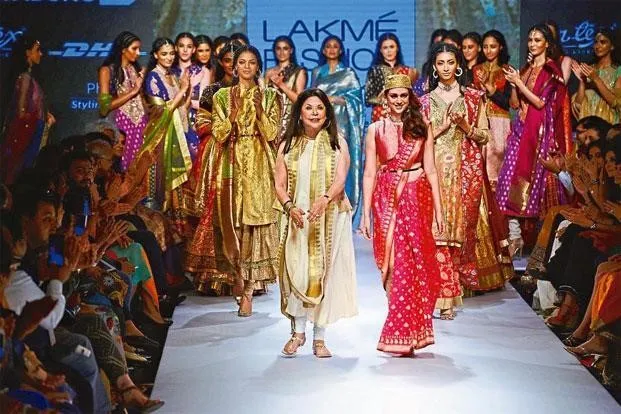
Photo: Indian Filipino fusion fashion designer handloom textile artisan clothing, via www.shefaleevasudev.in
When Two Cultures Share a Needle and Thread
Something interesting is happening in American fashion right now, and it's not coming from Paris or Milan. It's coming from the hands of designers who grew up navigating two worlds — or sometimes three, counting the United States itself. A growing wave of South Asian and Filipino-American creatives are merging their heritage textiles into something genuinely fresh: clothing that carries the weight of history without feeling like a costume.
At IndiaPH Store, we sit right at the intersection of these two vibrant cultures, and we've had a front-row seat to this movement as it's picked up serious momentum. What started as small-batch collections sold at cultural festivals has grown into a legitimate aesthetic that's catching the eye of stylists, influencers, and everyday shoppers who are tired of buying the same fast-fashion pieces everyone else owns.
What Makes This Combination So Compelling?
India and the Philippines might seem like unlikely style partners, but their textile traditions have more in common than you'd expect — and their differences are exactly what make the fusion so exciting.
Indian handloom fabrics — think Chanderi silk, Kanjivaram weaves, block-printed cotton from Jaipur, or the earthy textures of Khadi — carry centuries of artisan knowledge. Each fabric tells a regional story. Filipino craftsmanship, meanwhile, brings its own extraordinary legacy: intricate piña fabric woven from pineapple fibers, delicate barong embroidery, and the vivid woven patterns of indigenous abel cloth from the Ilocos region.
When designers start playing with these two vocabularies together — layering Filipino embroidery over Indian cotton, or cutting traditional salwar silhouettes from piña blends — the results are genuinely stunning. And importantly, they're wearable. We're not talking museum pieces. We're talking blazers, midi skirts, loungewear sets, and statement tops that fit right into an American lifestyle.
The Designers Making It Happen
Take someone like Priya Mendoza (the name a little too perfect, right?), a second-generation Indian-Filipino designer based in Jersey City who started her label after years of struggling to find clothes that honored both halves of her identity. She began sourcing hand-woven cotton from cooperatives in Andhra Pradesh and pairing it with embroidery patterns she learned from her Ilocana grandmother. Her pieces now sell out within hours of dropping online.
Or consider the small-batch work coming out of California's Bay Area, where a tight-knit community of Filipino and Indian artisans have started collaborating directly — sharing techniques, swapping fabric sourcing contacts, and co-designing collections that are genuinely collaborative rather than just aesthetically mixed. These aren't just beautiful clothes. They're economic ecosystems that support artisan communities on both sides of the Pacific.
What these creators share is a rejection of the fast-fashion model. Every piece takes time. Every fabric has a provenance. And that story is increasingly part of what American consumers are buying.
Why Gen Z and Millennials Are Leading the Charge
Let's be honest: younger American shoppers have complicated feelings about fashion right now. The environmental cost of disposable clothing is well-documented, and there's a growing sense that buying cheap and buying often is no longer something to feel good about. At the same time, there's a real hunger for authenticity — for things that mean something beyond their price tag.
Indian-Filipino fusion fashion checks a lot of those boxes. These pieces are slow-made, often by artisans who've been practicing their craft for generations. The fabrics are natural — cotton, silk, pineapple fiber — rather than synthetic. And the cultural stories woven into them give wearers something to connect with and talk about.
Social media has supercharged this. When a Filipino-American content creator posts a reel showing off a hand-embroidered kurta-inspired top, or a South Asian influencer styles a piña-blend blazer for a work meeting, the comments section fills up with people asking where to buy it. The demand is real, and it's growing.
There's also something worth naming about the broader cultural moment. As diaspora communities become more prominent voices in American culture — in food, music, film, and politics — their aesthetic contributions are getting more attention too. Wearing something that reflects a non-Western heritage is no longer niche. It's genuinely cool.
Finding These Pieces Without the Treasure Hunt
One of the biggest friction points for American shoppers interested in this space has always been access. Where do you actually find authentic handloom Indian fabric or genuine Filipino piña weave? Most mainstream retailers don't carry them, and navigating overseas marketplaces can feel overwhelming — especially when you're not sure what you're looking at or whether the quality is legit.
That's a gap IndiaPH Store was built specifically to address. We work directly with artisan communities and diaspora designers to bring authentic Indian and Filipino goods — including textiles and fashion pieces — to US-based shoppers who want the real thing without the guesswork. Whether you're looking for raw fabric to work with yourself, finished pieces from emerging designers, or accessories that carry genuine cultural craftsmanship, we're curating it so you don't have to dig.
Style Tips: Wearing the Fusion Without the Confusion
If you're new to this aesthetic, here are a few easy entry points:
- Start with accessories. A hand-embroidered clutch or a block-printed scarf is a low-commitment way to bring these textiles into your wardrobe without overhauling everything.
- Layer textures. Indian cotton and Filipino woven fabrics both have distinctive tactile qualities. Mixing them with your existing Western basics — a pair of straight-leg jeans, a simple white tee — lets the fabric do the talking.
- Look for natural dyes. Many artisan-produced Indian and Filipino textiles use plant-based dyes that age beautifully over time. That slightly imperfect, lived-in quality is a feature, not a bug.
- Buy once, wear forever. These pieces aren't trend-dependent. A well-made handloom piece will outlast ten rounds of fast-fashion cycling.
The Bigger Picture
What's happening in Indian-Filipino fusion fashion is really a microcosm of something larger: the way diaspora communities in America are reshaping cultural consumption across the board. Food, music, beauty — all of it is being influenced by people who grew up between cultures and are now creating something genuinely new from that experience.
At IndiaPH Store, we think that's worth celebrating — and worth wearing. The next time you're reaching for something new to add to your closet, consider the possibility that the most interesting thing out there might not be from a fast-fashion algorithm. It might be from the hands of an artisan in Tamil Nadu or the Ilocos coast, brought to you by a designer who grew up in New Jersey or Daly City and decided their heritage was worth sharing.
That's a wardrobe with a story. And honestly? That's the best kind.