Your Pantry Is Missing These: 12 Indian and Filipino Ingredients That Will Change How You Cook
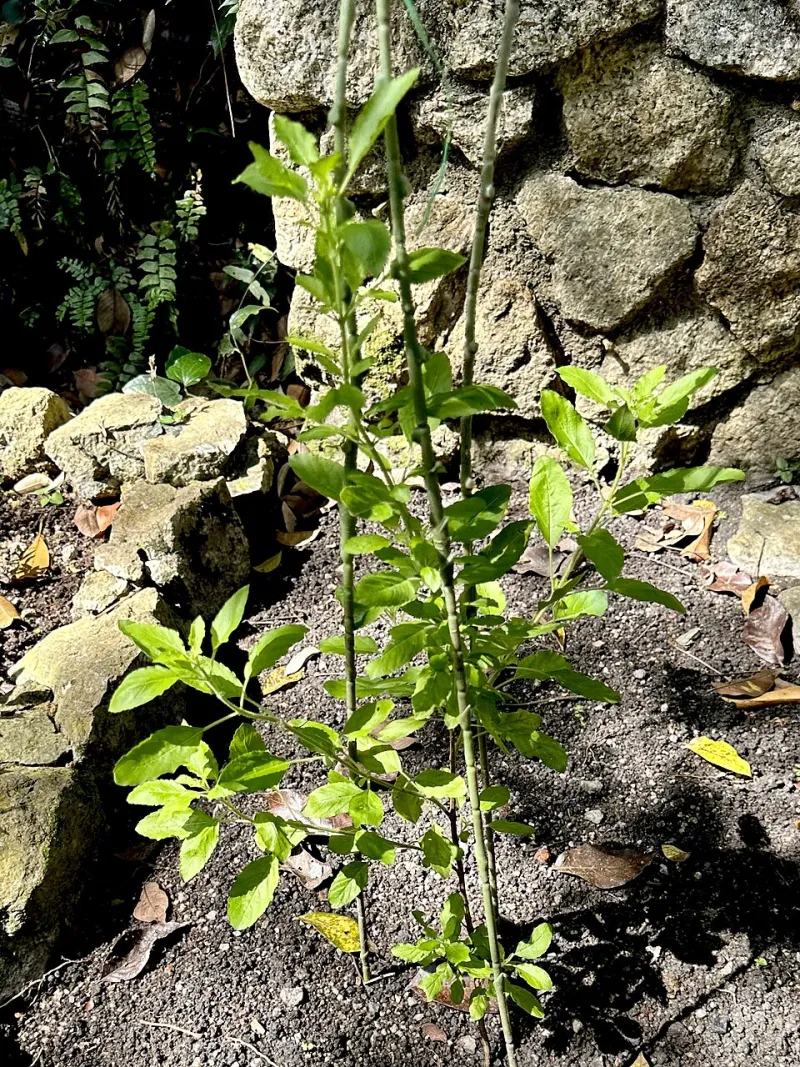
Photo: Richard N Horne, CC BY-SA 4.0, via Wikimedia Commons
The Pantry Problem Most American Home Cooks Don't Know They Have
Your spice rack is probably doing its best. There's cumin in there, maybe some turmeric you bought after reading about its health benefits, definitely a jar of something labeled 'curry powder' that you're not entirely sure about. And that's fine — until you taste what's possible when you start working with the real building blocks of Indian and Filipino cooking.
The truth is, mainstream American grocery stores carry a thin slice of what's actually out there. The spice traditions of India and the Philippines are staggeringly deep — regional, seasonal, and often tied to preparation methods that mass-market versions simply can't replicate. And for home cooks who've gotten comfortable with bold flavors (thanks, years of eating at good restaurants), these ingredients aren't intimidating. They're just... better.
At IndiaPH Store, connecting American kitchens with authentic Indian and Filipino pantry staples is kind of our whole thing. So consider this your field guide to the ingredients worth knowing — and knowing where to get.
1. Kashmiri Chili Powder
Flavor profile: Deeply red, mild heat, slightly fruity
Don't let the word 'chili' fool you into thinking this is just another hot powder. Kashmiri chili is prized primarily for the extraordinary crimson color it gives to dishes — that gorgeous red you see in restaurant-quality butter chicken or tandoori? That's this. The heat is actually quite gentle, which makes it incredibly versatile. Stir it into yogurt marinades, add it to roasted vegetables, or use it to season homemade paneer.
Try it: Mix with Greek yogurt, garlic, lemon juice, and a little oil for a marinade that works on chicken, shrimp, or even cauliflower steaks.
2. Cane Vinegar (Sukang Maasim)
Flavor profile: Sharp, slightly sweet, cleaner than white vinegar
Filipino cane vinegar is fermented from sugarcane juice and has a brightness that regular distilled white vinegar just can't match. It's the base of adobo — arguably the Philippines' most beloved dish — and it's also what makes Filipino atchara (pickled green papaya) so addictive. American cooks are discovering that it makes exceptional salad dressings and quick-pickles for everything from cucumbers to red onions.
Try it: Use it anywhere you'd use apple cider vinegar for a slightly more complex, less aggressive tang.
3. Hing (Asafoetida)
Flavor profile: Pungent raw, but transforms into savory, onion-garlic depth when cooked
This one sounds alarming when you open the jar for the first time. Hing — a dried resin used in Indian cooking for centuries — smells intensely sulfurous straight out of the container. But the moment it hits hot oil? It blooms into this incredible savory base note that tastes like the best version of onion and garlic you've ever encountered. It's also traditionally used by communities that avoid alliums for religious reasons, making it a fascinating ingredient on multiple levels.
Try it: Add a tiny pinch (seriously, a little goes a long way) to hot oil before you add lentils or vegetables. You'll immediately understand why Indian dal tastes the way it does.
4. Tamarind Concentrate
Flavor profile: Tart, fruity, complex — like if a lemon and a dried fruit had a very sophisticated baby
Both Indian and Filipino cooking use tamarind extensively, though in different ways. In India, it's a souring agent in everything from rasam to pad thai-adjacent dishes. In the Philippines, it's the backbone of sinigang, a sour tamarind-based soup that's basically the ultimate comfort food. The concentrate (rather than the whole pods or compressed blocks) is the most approachable form for American home cooks — it dissolves easily and stores well.
Try it: Add a spoonful to braised short ribs or lamb in the last hour of cooking for a subtle tartness that makes the whole dish taste more alive.
5. Mustard Oil
Flavor profile: Pungent, slightly bitter, intensely aromatic
Mustard oil is to Bengali cooking what olive oil is to Italian — it's not just a cooking medium, it's a flavor. Raw, it has a sharp bite. Heated to its smoking point and then cooled, it mellows into something nutty and complex. It's used in fish preparations, pickles, and vegetable dishes throughout eastern India. In the US, mustard oil is technically sold as a massage oil (due to FDA labeling rules), but South Asian home cooks have been using it in their kitchens for decades.
Try it: Use it to make a quick Bengali-style mustard fish by marinating any firm white fish in mustard oil, turmeric, and salt, then pan-frying.
6. Bagoong (Fermented Shrimp Paste)
Flavor profile: Salty, funky, intensely umami
Filipino bagoong is one of those ingredients that sounds polarizing but converts almost everyone who tries it in context. Fermented from small shrimp or fish, it's the umami bomb that gets stirred into kare-kare (oxtail peanut stew) or served alongside green mango as a snack. Think of it as the Filipino answer to Southeast Asian shrimp pastes — deeply savory, a little funky, and absolutely irreplaceable in the dishes that call for it.
Try it: Stir a small spoonful into a peanut sauce or use it to season fried rice instead of soy sauce for a completely different depth of flavor.
7. Chaat Masala
Flavor profile: Tangy, salty, slightly sulfurous, cooling
If you've ever had Indian street food — pani puri, bhel puri, fruit chaat — and wondered what that addictive sour-salty-spicy thing was, it was almost certainly chaat masala. This blend typically includes dried mango powder (amchur), black salt, cumin, and coriander, among other things. It's one of those seasonings that makes everything it touches taste more interesting.
Try it: Sprinkle it over sliced fruit (mango, watermelon, pineapple), roasted corn, or even popcorn. It's genuinely life-changing on a bowl of fresh-cut fruit.
8. Coconut Vinegar
Flavor profile: Milder and slightly sweeter than cane vinegar, with a subtle coconut undertone
Distinct from cane vinegar, Filipino coconut vinegar is fermented from coconut water or coconut palm sap. It's one of the oldest fermented products in the Philippines and carries a gentle acidity that works beautifully in light dressings and marinades. It's also a gut-friendly fermented product, which doesn't hurt its appeal among health-conscious American consumers.
Try it: Use it as the acid component in a Southeast Asian-inspired slaw dressing with fish sauce, lime, and a little sugar.
9. Curry Leaves (Fresh or Dried)
Flavor profile: Citrusy, slightly floral, distinctly aromatic — nothing else tastes like this
Curry leaves are not the same as curry powder, and this confusion has caused a lot of culinary missed opportunities. These small, glossy leaves from the Murraya koenigii tree are used across South Indian, Sri Lankan, and some Filipino-influenced cooking. Fresh leaves fried briefly in hot oil release an aroma that's genuinely hard to describe — bright, herbal, slightly citrusy — and it forms the flavor base of countless dishes.
Try it: Fry a handful in coconut oil with mustard seeds, then pour the whole thing over a bowl of plain yogurt or lentil soup as a finishing drizzle.
10. Pandan Extract
Flavor profile: Floral, vanilla-adjacent, green and slightly grassy
Pandan is to Filipino (and broader Southeast Asian) baking what vanilla is to American baking — it's the default flavor of comfort and celebration. The extract, made from Pandanus leaves, turns baked goods a beautiful green and fills them with a fragrance that's genuinely lovely. Pandan chiffon cake is a Filipino classic, but American bakers are increasingly using pandan in everything from pancakes to ice cream.
Try it: Add a few drops to your standard pancake batter along with a little coconut milk. Serve with fresh mango. You're welcome.
11. Amchur (Dried Mango Powder)
Flavor profile: Intensely sour, fruity, concentrated
Made from unripe green mangoes that are dried and ground, amchur is a souring agent used across North Indian cooking. It adds tartness without liquid, making it ideal for dry rubs, spice blends, and stuffed vegetable dishes. It's a key component in chaat masala and works beautifully in marinades for grilled meats.
Try it: Add a teaspoon to your next dry rub for grilled chicken or pork ribs — it adds a subtle fruity tang that plays beautifully against charred meat.
12. Annatto Seeds (Atsuete)
Flavor profile: Mildly earthy, slightly peppery, primarily a natural food coloring
Annatto seeds are a staple in Filipino cooking, responsible for the golden-orange color of dishes like kare-kare and arroz a la cubana. They're typically infused in oil to release their color before other ingredients are added. Interestingly, annatto is also used as a natural food dye in American products (it's what makes some cheeses and butters yellow), but using the whole seeds yourself gives you direct control over flavor and intensity.
Try it: Infuse a few tablespoons of seeds in warm oil for five minutes, strain, and use that beautifully colored oil to start any rice dish or soup.
Where to Actually Get This Stuff
Here's the honest part: sourcing authentic versions of these ingredients in the US can be genuinely frustrating. Indian and Filipino grocery stores in major cities are great resources, but not everyone lives near one — and online options can feel like a gamble in terms of quality and authenticity.
That's the problem IndiaPH Store was built to solve. We source directly from producers and diaspora suppliers who know what authentic looks like, and we bring it to American home cooks who want the real thing. No mystery blends, no watered-down substitutes — just the actual ingredients that make these cuisines taste the way they're supposed to.
Your pantry is ready for an upgrade. Your taste buds have been patient long enough.