Bypass the Big Box: How Indian and Filipino Merchants Are Building Supply Chains That Actually Work for Them
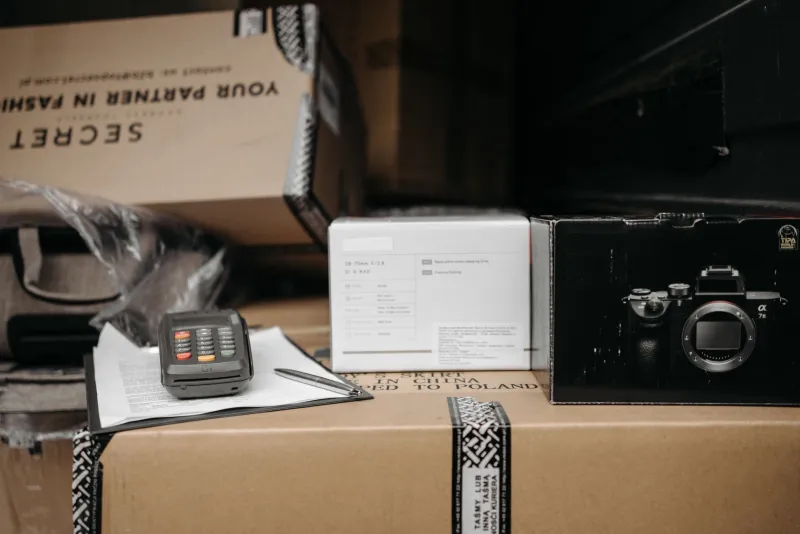
Somewhere in a rented warehouse space outside of Jersey City, Priya Nair is stacking boxes of tamarind paste, curry leaf powder, and vacuum-sealed dried mango strips. She's not affiliated with any major distributor. She doesn't have a contract with a national grocery chain. What she does have is a WhatsApp group with fourteen other South Asian and Filipino vendors, a shared cold-storage unit in the Bay Area, and a logistics arrangement that would make a supply chain consultant do a double-take.
This is the new face of specialty food distribution in America — and it looks nothing like what you'd find in a business school textbook.
The Problem With "Normal" Distribution
Here's the thing about mainstream supply chains: they were never really built with amchur powder or bagoong alamang in mind. Big distributors deal in volume. They want products with wide appeal, standardized packaging, and shelf lives that can survive a six-week journey through a fulfillment center. Niche, culturally specific ingredients — the kind that make an Indian dal taste like your grandmother's or a Filipino sinigang taste like it came from a palengke in Quezon City — don't always fit that mold.
The result? Diaspora communities in the US have historically had two options: overpay at a specialty store that marks things up 300%, or wait weeks for an international shipment that may or may not clear customs without a headache.
Independent Indian and Filipino merchants got tired of both options. So they started building their own.
Freight Brothers and Balikbayan Logic
If you grew up in a Filipino household, you already know about the balikbayan box — that legendary corrugated cube packed with Skyflakes crackers, Milo, and enough pasalubong to fill a living room. What's less well-known is that the informal logistics infrastructure around balikbayan shipping has quietly been evolving into something much more sophisticated.
Filipino-American entrepreneurs, many of whom grew up watching their parents coordinate shipments through small community forwarders, have taken that knowledge and scaled it. Vendors like Maribel Santos, who runs a specialty condiments business out of Chicago, now partners with three other Filipino food sellers to share container space on monthly shipments from Manila. They split freight costs, coordinate customs documentation together, and rotate who handles last-mile delivery to customers in the Midwest.
"We basically built our own micro-distribution network," Santos says. "It started as a favor between friends and turned into something we actually depend on."
Similar patterns are emerging in Indian-American communities. Small importers of spices, pickles, and specialty flours have long relied on informal networks — a cousin who works at a freight company, a temple contact who knows a customs broker — but those informal ties are now getting formalized into actual business arrangements.
Warehousing Without the Warehouse Bill
One of the biggest barriers for small specialty food sellers isn't sourcing or even shipping — it's storage. Commercial warehousing is expensive, and most facilities aren't set up for the temperature and humidity requirements of items like fresh curry leaves, raw coconut vinegar, or certain rice varieties.
Entrepreneurs across both communities have gotten creative. Co-warehousing arrangements — where multiple small vendors share a single climate-controlled space and split the lease — have popped up in cities with large South Asian and Filipino populations, including Fremont, California; Sugar Land, Texas; and Woodbridge, New Jersey. Some of these are informal setups between friends. Others have evolved into genuine small-business cooperatives with shared staff and coordinated inventory management.
Raj Subramaniam, who imports specialty South Indian pantry staples to the East Coast, describes his current setup as "part warehouse, part community center." His storage space in Edison, NJ doubles as a pickup location for local customers and a staging area for other vendors who need short-term storage during peak seasons like Diwali or Onam.
"We're all solving the same problems," he says. "It just made sense to stop solving them separately."
Culturally Fluent Logistics
There's something that gets lost in translation when mainstream distributors try to handle culturally specific products — and it's not just about language. It's about knowing that dried Malabar tamarind is not the same as regular tamarind. It's about understanding that fresh pandan leaves need to be handled differently than dried ones. It's about recognizing that certain religious dietary requirements affect not just ingredients but how products are stored and handled.
Indian and Filipino merchants who've built their own networks bring that knowledge into every step of the supply chain. They know which products are sensitive to temperature swings. They know which items will sell out in the week before a major festival. They know their customers well enough to anticipate demand rather than react to it.
That cultural fluency translates into real operational advantages. Fewer damaged shipments. Better inventory turnover. Less waste. And customers who actually receive what they ordered in the condition they expected.
The Tech Layer Nobody Talks About
Behind all of this is a surprisingly sophisticated use of everyday technology. Group chats, shared Google Sheets, small-business inventory apps, and community-built ordering platforms are doing the work that enterprise software does for big retailers — just at a fraction of the cost and with a lot more flexibility.
Some vendors have started using simple platforms to coordinate bulk orders across their networks, pooling customer demand to hit minimum order quantities for international shipments. Others have built out their own direct-to-consumer websites and use them to pre-sell seasonal items before they even arrive in the country, essentially funding their own import orders with customer deposits.
It's scrappy. It's resourceful. And honestly, it works.
What This Means for You
If you're part of an Indian or Filipino diaspora community in the US — or if you just really love cooking with ingredients that actually taste like the real thing — these supply chain innovations matter more than you might think. They're why you can now order fresh curry leaves online and have them arrive within two days. They're why certain regional Filipino vinegars and specialty rice varieties are showing up in more US cities. They're why the specialty food section of your life doesn't have to be a compromise anymore.
At IndiaPH Store, we're built on this exact idea: that the products connecting you to your heritage deserve a supply chain that takes them seriously. The merchants we work with aren't just sellers — they're logistics innovators who've figured out how to get the good stuff to your door without the big-box markup or the big-box attitude.
The spice route has been remixed. And it runs right to your kitchen.