Ancient Routes, Digital Carts: How Indian and Filipino Sellers Are Rewriting Global Trade From Their Living Rooms
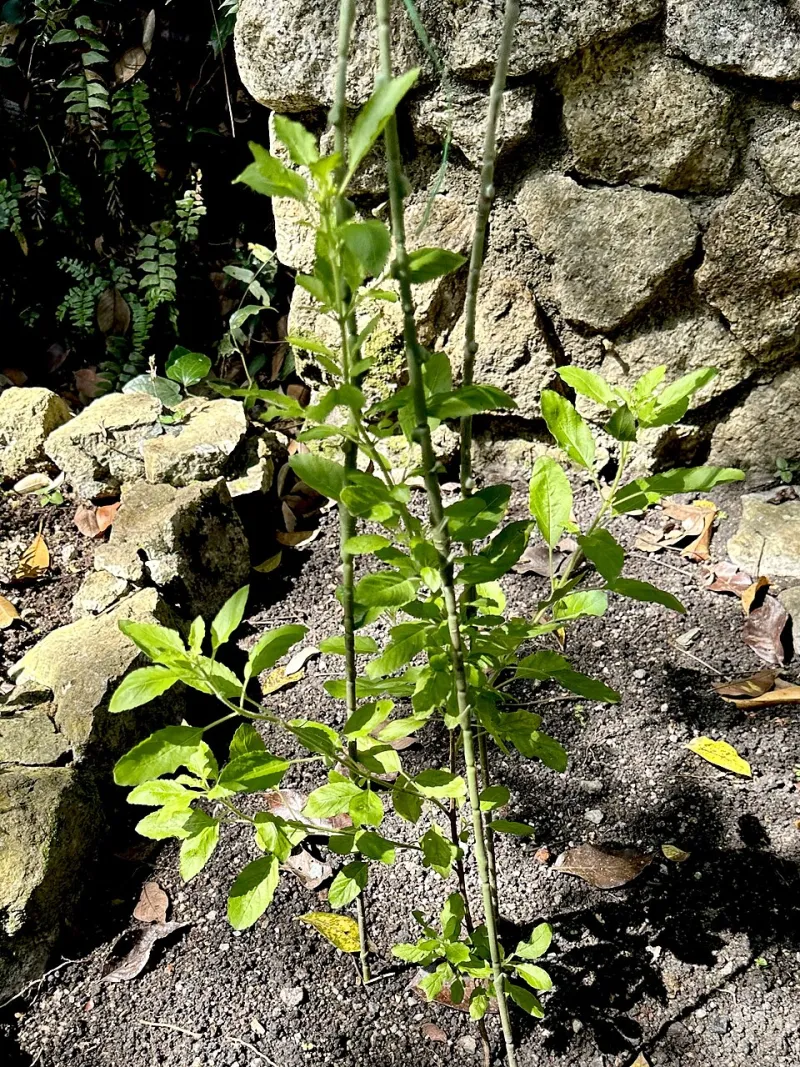
Photo: Richard N Horne, CC BY-SA 4.0, via Wikimedia Commons
The Trade Wind That Never Really Died
Somewhere around the 9th century, a ship loaded with Indian spices — cardamom, black pepper, turmeric — would have docked somewhere along the Philippine archipelago. Merchants would have haggled, goods would have changed hands, and both sides would have walked away with something valuable. It wasn't unusual. It was Tuesday.
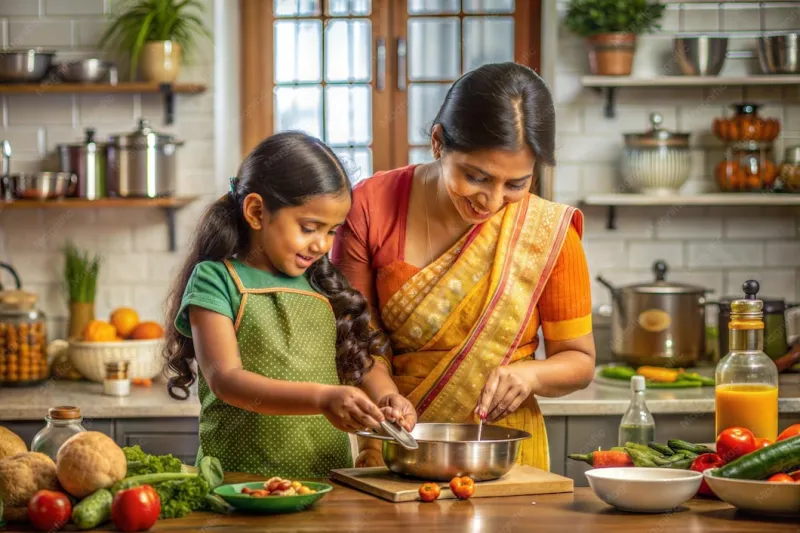
Fast forward about a thousand years, and something surprisingly similar is happening again — except the ship is a Shopify storefront, the dock is a fulfillment warehouse in New Jersey, and the merchant is a second-generation Punjabi woman in Houston selling chaat masala to Filipino-American families in Chicago who grew up eating adobo with Indian spices smuggled home by a grandmother.
The spice trade never actually stopped. It just went quiet for a while.
Why These Two Regions Were Always Natural Partners
History tends to get taught in neat little boxes, but the commercial relationship between South Asia and Southeast Asia has always been messier — and more interesting — than any textbook lets on. The Philippines sits at the crossroads of ancient maritime trade routes that connected India, China, the Arab world, and eventually Europe. Indian traders, particularly from the Coromandel Coast and Gujarat, were regular visitors to what is now the Philippine archipelago centuries before Spanish colonizers arrived and tried to reorganize everything.
The culinary fingerprints are still there if you know where to look. The use of tamarind in Filipino sinigang mirrors its role in Indian sambar. The word asukal (sugar) in Filipino traces back to Sanskrit. Even the bagoong-and-rice pairing has echoes in South Indian fermented condiment traditions that predate modern nation-states by centuries.
So when Indian and Filipino entrepreneurs in the US start building marketplaces that connect these two food and craft cultures, they're not inventing something new. They're remembering something old.
The Gatekeepers Are Gone
For most of the 20th century, if you wanted to sell Indian or Filipino specialty products in the United States, you had to go through a very specific set of gatekeepers: importers, distributors, ethnic grocery chains, and eventually the occasional Whole Foods buyer who decided your product was "on trend." Each step in that chain added cost, diluted margin, and — critically — stripped away the story.
By the time a jar of Filipino coconut vinegar hit a shelf in a mainstream grocery store, it had been relabeled, repriced, and stripped of any context that would tell a buyer why it was different from the white vinegar sitting next to it. The same thing happened to Indian ghee, to dried Kashmiri chilies, to hand-pounded spice blends that took generations to perfect.
E-commerce changed the math entirely. A seller in California can now source directly from a small producer in Kerala or Ilocos Norte, handle their own fulfillment, and ship directly to a customer in Atlanta who found them through a TikTok video or a Google search. No distributor. No retail buyer. No story tax.
Platforms like IndiaPH Store were built specifically to serve this shift — creating a curated space where Indian and Filipino products aren't afterthoughts on a global marketplace but the whole point.
What's Actually Moving
Talk to the sellers who are doing this successfully and a few product categories come up again and again.
Spices and spice blends are the obvious one. But it's not just bulk turmeric — it's small-batch biryani masalas made to regional recipes, whole dried kokum from the Konkan coast, sun-dried kamias from Batangas. The kind of stuff that diaspora cooks have been begging their relatives to pack in checked luggage for decades.
Vinegars and fermented condiments are having a genuine moment. Filipino coconut vinegar and sugarcane vinegar have found audiences way beyond the Filipino-American community — home cooks and food nerds who've read enough about fermentation to understand why these products are different. Indian chutneys and achaar are in a similar position, finally getting credit for the complexity they've always had.
Then there are the pantry staples that diaspora families genuinely cannot find in mainstream stores: specific rice varieties, dried fish products, particular lentil types, coconut products processed to regional specifications. These aren't niche — for the families who need them, they're essential.
The Logistics Are Hard. The Community Makes It Work.
None of this is frictionless. Importing food products into the US involves FDA registration, labeling compliance, customs documentation, and a regulatory landscape that can feel designed to discourage small producers. Sellers who are making this work have generally had to learn these systems from scratch, often leaning on community knowledge — other sellers, diaspora business groups, and the kind of informal knowledge-sharing that happens in group chats and community forums.
Shipping perishables is its own challenge. Spices travel fine. Fermented products require more care. Some items are simply not viable to ship in summer months to certain regions without cold-chain infrastructure that small sellers can't afford.
But the sellers who've figured it out are genuinely building something. They're not just moving product — they're creating documented supply chains that connect specific small producers in India and the Philippines to specific communities in the US. That kind of traceability has real value, both commercially and culturally.
More Than a Transaction
Here's what makes this particular marketplace moment different from just another e-commerce trend: the buyers care about the backstory.
When a Filipino-American family in the Bay Area orders a spice blend from an Indian seller on IndiaPH Store, they're not just buying an ingredient. They're buying into a story about where food comes from, how it connects to a larger history, and why the version made by a small producer who knows the regional tradition is different from the mass-market alternative. The same is true in reverse — Indian-American buyers discovering Filipino pantry staples often report a kind of recognition, a sense that these flavors were somehow already familiar.
That's the ancient trade route doing its thing, even now.
The ships look different. The cargo moves through fulfillment centers instead of harbor docks. But the fundamental exchange — two cultures that have always had something the other wanted, finding ways to trade across water — is as alive as it ever was. It just needed a new platform.