Growing Resilient: What Indian and Filipino Farming Wisdom Is Teaching American Gardeners
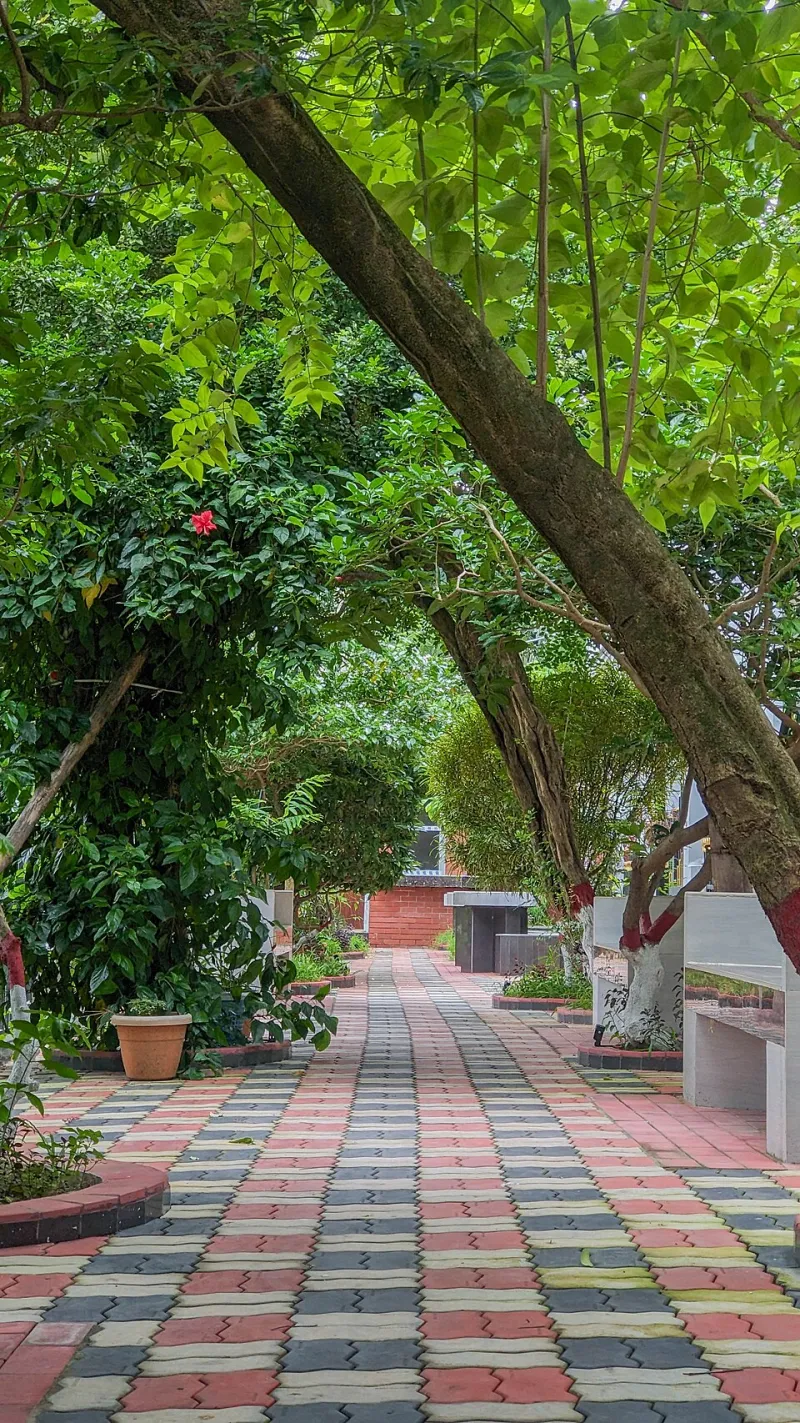
Photo: Rafi Bin Tofa, CC BY-SA 4.0, via Wikimedia Commons
The summer of 2023 was brutal for gardeners across the American Southwest. Prolonged heat, unpredictable rainfall, and soil that seemed to give up around July. A lot of people lost their tomatoes. But Lila Mendoza's backyard garden in Phoenix? It made it through just fine — because she wasn't growing it like an American garden.
She was growing it like her grandmother's plot in Ilocos Norte.
Ancient Methods, Modern Problems
Here's something worth sitting with: the regions that developed India's and the Philippines' agricultural traditions weren't exactly working with easy conditions. The Indian subcontinent spans everything from the Thar Desert to the flood-prone Gangetic plains. The Philippine archipelago deals with typhoon seasons, volcanic soil, and the kind of humidity that makes your tools rust overnight.
Farmers in both cultures didn't have the option of waiting for better conditions. They built systems that worked with the weather, not against it. And those systems — water harvesting, companion planting, heirloom seed preservation, soil-building without synthetic inputs — are suddenly looking very relevant to American growers who are realizing that climate change isn't a future problem. It's this season's problem.
Water Like It's Precious (Because It Is)
In Rajasthan, a traditional rainwater harvesting system called johad — a community-built earthen reservoir — kept villages alive through droughts that would have otherwise been catastrophic. In the Philippines, the 2,000-year-old Ifugao rice terraces of the Cordillera mountains represent one of the most sophisticated gravity-fed irrigation systems ever developed, still functioning today.
American homesteaders and urban gardeners are increasingly borrowing from this philosophy. Swales, rain barrels, and permaculture earthworks that redirect water rather than drain it away are gaining traction in places like New Mexico, Colorado, and California — states where water scarcity is reshaping what's possible in a garden.
Community gardens in cities like Los Angeles and Chicago have started incorporating these principles, sometimes with direct guidance from diaspora community members who grew up watching their families manage water with remarkable efficiency.
"In my family, wasting water wasn't just wasteful — it was disrespectful," says Arjun Mehta, a community garden coordinator in the San Fernando Valley who emigrated from Gujarat. "We grew up understanding that water is a relationship, not a resource. That framing changes how you design a garden."
Seeds That Remember
One of the quietest but most significant contributions Indian and Filipino agricultural traditions are making to American food culture is in heirloom seed preservation.
Both cultures have maintained extraordinary seed diversity — partly out of culinary tradition, partly out of necessity. The Philippines alone has thousands of documented rice varieties, many of them adapted to specific microclimates. India's seed heritage includes hundreds of varieties of lentils, millets, and vegetables that simply don't exist in the American commercial seed market.
Seed-sharing networks, some organized through diaspora community centers and others through informal neighborhood exchanges, are introducing these varieties to American gardeners who are hungry for something beyond what the big seed catalogs offer.
In the Bay Area, a Filipino-Indian seed library run out of a community center in Fremont has distributed over 200 varieties of seeds in the past two years alone — including bitter melon, moringa, drumstick, purple yam, and several types of long beans that have become neighborhood favorites.
"People taste a real bitter melon — not the ones that sat in a shipping container for two weeks — and they can't believe it," says Cora Reyes, one of the library's organizers. "Then they want to grow it themselves. That's the whole point."
Companion Planting and the Logic of Diversity
Monoculture — growing one crop across a large area — is efficient in a narrow, short-term sense. It's also fragile. One pest, one disease, one bad season, and everything goes.
Traditional Indian and Filipino kitchen gardens operate on a completely different logic. They're dense, layered, and diverse by design. A typical home garden in rural Tamil Nadu might have drumstick trees shading chilies, which grow alongside curry leaf plants, which border a patch of amaranth. Everything has a relationship with everything else.
This approach — which Western permaculture practitioners have been rediscovering and rebranding for decades — is intuitive to people who grew up watching it in practice. And it's increasingly being applied in American urban gardening contexts, where space is limited and resilience matters more than maximizing any single crop's yield.
What's Growing in American Backyards
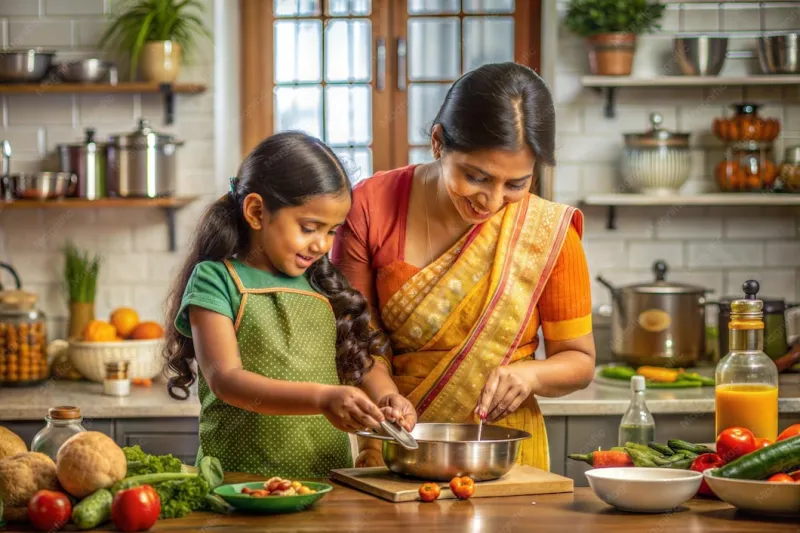
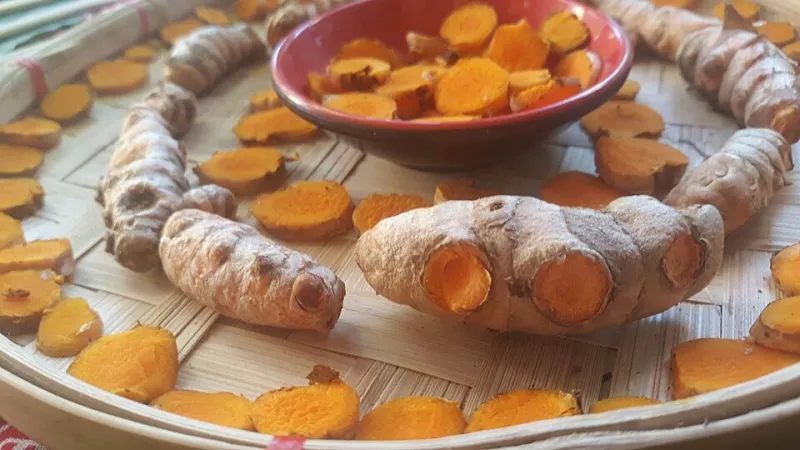
The ingredients showing up in diaspora community gardens across the US read like a shopping list from IndiaPH Store's pantry section: moringa, turmeric, pandan, drumstick, bitter melon, snake gourd, and a dozen varieties of Asian eggplant. These aren't novelty plants — they're nutritional powerhouses that also happen to be well-adapted to warm, challenging growing conditions.
For Indian and Filipino-American families, growing these ingredients at home is partly practical (they're expensive and hard to find fresh), partly cultural (the garden as an extension of the kitchen), and partly a form of quiet resistance against a food system that has never been particularly interested in what they actually want to eat.
For their American neighbors who are discovering these plants for the first time, it's an introduction to a completely different way of thinking about what a garden can be.
The Bigger Picture
American agriculture is at an inflection point. The combination of climate volatility, soil degradation, and growing consumer interest in food sovereignty is pushing more people — urban and rural alike — to look for models that actually work under pressure.
The farming traditions that developed across South Asia and the Philippine archipelago over thousands of years weren't built for easy conditions. They were built for exactly the kind of uncertainty we're all navigating now.
That's not a coincidence worth ignoring. It's an invitation to learn something.