Making It Up as We Go: How Indian and Filipino American Families Are Inventing Celebrations That Feel Like Home
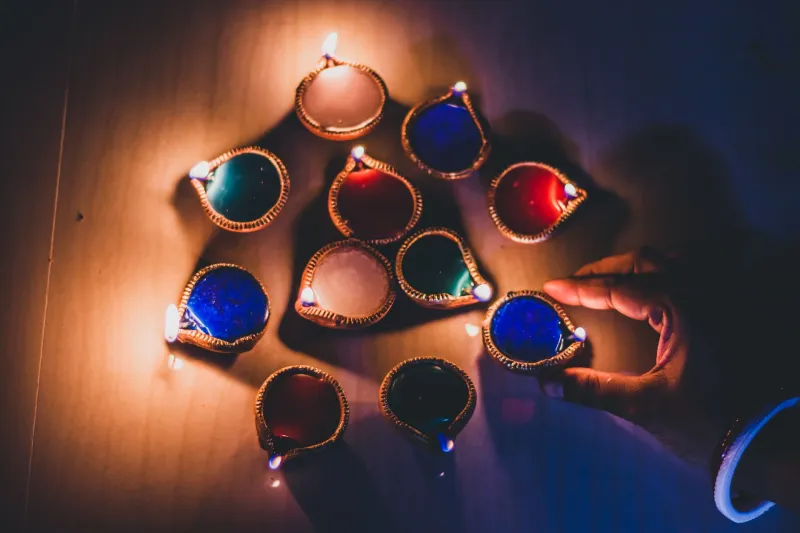
Somewhere between a Diwali party and a Noche Buena spread, something unexpected is happening in living rooms across New Jersey, California, Texas, and Illinois. Families are lighting diyas and hanging parol stars. They're serving biryani alongside lechon. They're chanting Sanskrit shlokas before cutting a bibingka. And nobody planned any of it—it just kind of evolved, year by year, until it became theirs.
For Indian and Filipino American families—whether they're mixed households, tight-knit neighborhood communities, or second-gen kids navigating two cultures at once—the standard holiday calendar has never quite fit. So they've started building their own.
The Calendar Doesn't Cover This
America gives you Thanksgiving, Christmas, and maybe a nod to Lunar New Year if your city's feeling progressive. But for a Tamil family in Fremont or a Visayan family in Virginia Beach, those dates barely scratch the surface of what actually matters. Pongal, Onam, Navratri, Sinulog, Pahiyas, Simbang Gabi—these aren't fringe observances. They're the emotional anchors of the year.
The problem is, when you're diaspora, those anchors can start to drift. The temple might not be nearby. The church that does Simbang Gabi might be an hour away. Your mom's the only one who knows how to make the kolam properly, and she's back in Chennai.
So you improvise. And improvisation, it turns out, has a way of becoming tradition.
When Two Cultures Share a Party
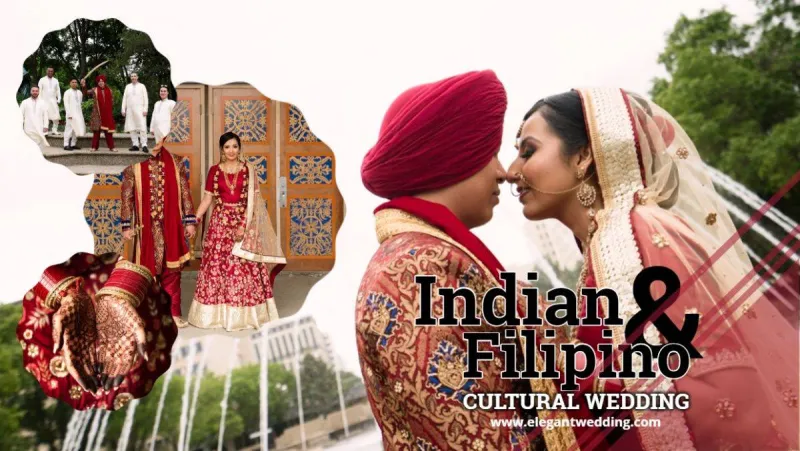
Take the Reyes-Krishnamurthy family in the Bay Area. Priya Krishnamurthy and Marco Reyes got married eight years ago, and their first Diwali together was, by Priya's own description, "a beautiful disaster." Marco had never seen a diya lit indoors. Priya had never heard "Pasko Na Sinta Ko" blasting from a speaker while making rangoli. But they leaned in.
Now, their annual October-November celebration is something their friend group looks forward to all year. Diyas line the porch. A parol—a traditional Filipino star lantern—hangs above the door. The food spread is a deliberate mashup: Priya's mother's murukku sits next to Marco's tita's puto bumbong. There's mango lassi. There are also calamansi drinks.
"Our kids don't see any of this as weird," Priya says. "To them, this is just what Diwali looks like. It's our Diwali."
That phrase—our version—keeps coming up in conversations with families doing this kind of cultural blending. It's not about diluting either tradition. It's about authorship. It's about saying: we exist in both of these worlds, and we get to decide what that looks like.
Sinulog Season Meets the Harvest Festival
The timing of the festive calendar actually helps. Sinulog, the massive Filipino festival honoring the Santo Niño, falls in January. Pongal, the Tamil harvest celebration, also lands in mid-January. For families straddling both cultures, this overlap isn't a scheduling conflict—it's an opportunity.
In Houston, a community group started hosting a joint Sinulog-Pongal weekend three years ago. It started with maybe thirty people in someone's backyard. Last year, they needed a rented hall. The morning includes a traditional pongal pot ceremony—cooking the sweet rice dish outdoors, letting it boil over as a sign of abundance. The afternoon shifts into Sinulog-style street dancing, with kids in colorful costumes moving to the beat of drums.
"We spent a lot of time worrying if it was respectful to combine them," says one of the organizers, Divya Nair, who grew up in Kerala and has been close friends with her Filipino neighbors for over a decade. "But then we realized—both of these festivals are about gratitude. About community. About saying thank you for what you have. That's not cultural appropriation. That's just humans recognizing each other."
Holidays That Don't Exist Anywhere Else
Some families have gone even further, creating celebrations that don't map to any single cultural tradition at all. They've invented their own.
The Santos-Mehta family in suburban Chicago holds what they call "Heritage Weekend" every spring. There's no religious component, no fixed date on any cultural calendar. It's simply a two-day event where both sides of the family come together to cook, teach, and share. Kids learn to make chapati and lumpia on the same afternoon. Elders share stories—sometimes through a translator, sometimes through food, sometimes just through laughter that needs no interpretation.
"We wanted our children to feel proud of both sides," says Anika Mehta, whose husband Carlo is from Cebu. "But we also wanted them to feel like their specific family—this weird, wonderful combination—was worth celebrating on its own terms."
Heritage Weekend isn't Indian. It isn't Filipino. It's Santos-Mehta. And that distinction matters enormously to them.
What These Moments Actually Do
There's real emotional work happening inside these invented celebrations. Psychologists who study diaspora identity have long noted that rituals serve as containers for belonging—they tell you who you are and who you're with. When your rituals don't quite match the culture around you, or even the culture you came from, creating new ones isn't frivolous. It's survival.
For second-generation kids especially, hybrid celebrations do something that no amount of cultural education can fully replicate: they make identity feel lived-in rather than studied. You don't have to choose between the bhangra playlist and the OPM classics. You don't have to explain why your Christmas smells like cardamom. It just is.
And increasingly, these families are finding that their American neighbors—curious, hungry for something more meaningful than another generic holiday party—want in. The invitation to join a Diwali-Noche Buena hybrid gathering, or to help make both puto and modak for a December potluck, often lands as the best thing that happened to someone's holiday season.
Stocking the Hybrid Holiday
Of course, pulling off these celebrations requires the right supplies—and that's where things get creative. Families are sourcing diya sets and parol lanterns from the same shopping cart. They're hunting down kashmiri chili and annatto seeds in the same specialty aisle. They're ordering barong tagalog fabric and bandhani dupattas from the same community vendors.
At IndiaPH Store, we see this all the time. Customers who started out shopping for one culture's pantry staples end up browsing the other side out of curiosity—and leaving with ingredients that end up in dishes nobody's grandmother made, but everybody at the table loves.
That's kind of the whole point.
You're Not Doing It Wrong
If you've ever felt like your family's celebration doesn't fit neatly into any cultural box, you're not doing it wrong. You're doing something harder and more interesting: you're making something new.
The festival calendar nobody tells you about is the one you build yourself—with string lights from two traditions, food from two continents, and a guest list that reflects the full, complicated, beautiful reality of who you actually are in America.
That's worth celebrating. Loudly, and with a lot of food.