Storm-Ready the Old Way: What Indian and Filipino Ancestors Knew About Surviving Wild Weather
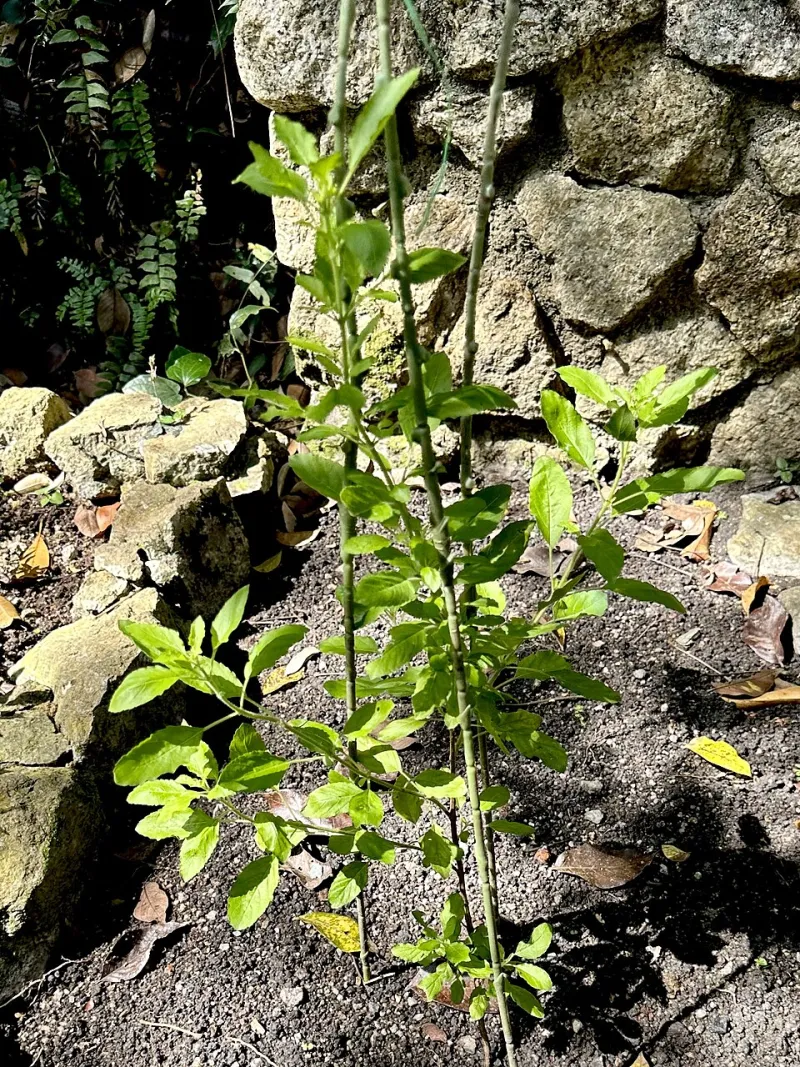
Photo: Richard N Horne, CC BY-SA 4.0, via Wikimedia Commons
Ask any Indian or Filipino immigrant about the monsoon, and watch their eyes go somewhere far away. Not with dread — with something closer to respect. Growing up with weather that means business does something to you. It teaches you that nature isn't an inconvenience to be managed; it's a force to be understood, prepared for, and honestly, worked with.
As American homeowners increasingly face flooding in places that never flooded before, wildfires creeping into suburbs, and summer storms that feel more like something out of a disaster movie, that old-school weather wisdom is starting to look less like folklore and more like a survival manual.
Welcome to what we're calling the Monsoon Effect — the quiet but growing influence of Indian and Filipino climate knowledge on how Americans think about home preparedness.
Why This Wisdom Hits Different
India's monsoon season doesn't politely knock. It arrives, it dominates, and it leaves behind a landscape transformed. For generations, rural and urban communities alike developed intricate systems to cope — from the stepwells (vav) of Gujarat that stored water during dry spells to the rooftop catchment systems common across Kerala. Homes were built with drainage in mind. Courtyards doubled as water collection points. Even the orientation of a house was often chosen to manage airflow and humidity.
In the Philippines, typhoon culture runs even deeper. The country gets hit by an average of 20 typhoons a year — so the practical knowledge there isn't theoretical, it's generational. Filipino families know how to read cloud formations, how to reinforce a structure with minimal tools, how to stock a home so that a week without power feels manageable rather than catastrophic.
These aren't just cultural curiosities. They're engineering solutions that evolved over centuries of trial and error. And diaspora communities in the US are now quietly applying them to their American homes — and sometimes, their neighbors are paying close attention.
Rainwater Harvesting, But Make It Backyard-Friendly
One of the most practical transplants from both cultures is rainwater harvesting. In parts of Rajasthan, India, traditional johad systems — community ponds designed to capture and slowly release rainwater — kept villages alive through drought. On a smaller scale, rooftop collection into clay pots or underground cisterns was just standard practice.
Filipino communities in coastal and mountainous regions developed similar systems, often routing rainwater from bamboo gutters into large clay jars called tapayan. The logic was simple: when it rains, you capture; when it doesn't, you draw.
For American homeowners, especially in drought-prone states like California, Arizona, and Texas, this translates directly into rain barrel setups and permeable garden design. Several Indian-American landscape engineers in the Southwest have been adapting johad principles to create small-scale backyard retention basins — essentially shallow depressions lined with native plants that slow water runoff and allow it to percolate into the ground rather than rushing into already-overwhelmed storm drains.
"The concept isn't complicated," says one California-based landscape designer with roots in Tamil Nadu. "Your yard can either be part of the flooding problem or part of the solution. We just grew up knowing that."
Building to Breathe (and Bend)
Traditional Indian and Filipino architecture both have something American construction often lacks: intentional flexibility. Homes in typhoon-prone Philippine provinces were historically built on stilts — not just to avoid flooding, but to allow wind to pass underneath rather than push against a solid structure. Roofs were steeply pitched to shed water fast. Materials were chosen for their ability to flex under pressure rather than resist and crack.
In India, thick earthen walls in desert regions provided natural insulation against brutal heat, while homes in flood-prone Bengal were elevated and designed with easy-exit layouts in mind. Ventilation wasn't an afterthought — it was baked into the floor plan.
For American homeowners doing renovations or building new, these principles are increasingly showing up in conversations with architects who come from these communities. Think elevated electrical panels (a Filipino typhoon-prep standard that makes total sense in flood zones), cross-ventilation design that reduces reliance on AC during power outages, and the strategic use of thermal mass materials that keep interiors cooler without mechanical cooling.
Natural Pest Control After the Storm
Here's something the hardware store prep guides don't usually mention: after a major storm, pests move in fast. Standing water breeds mosquitoes. Displaced rodents seek shelter. Mold follows moisture like a shadow.
Both Indian and Filipino households have long relied on plant-based deterrents that double as garden staples. Neem — that powerhouse tree from India — has been used for centuries as a natural insect repellent, antifungal agent, and general-purpose pest deterrent. Neem oil diluted in water is a legitimate, non-toxic option for treating standing water, coating wood surfaces prone to mold, and keeping insects at bay post-storm.
In Filipino tradition, lemongrass (tanglad) planted around a home's perimeter serves a similar purpose — it smells wonderful to humans and deeply unpleasant to mosquitoes. Marigolds (used heavily in Indian ceremonies but also planted around vegetable gardens) repel nematodes and certain beetles. These aren't just pretty plants; they're part of a whole-home defense system.
Both neem oil and lemongrass essential oil are available through IndiaPH Store, and they're finding a whole new audience among American homeowners who are tired of dousing their homes in chemicals every time it rains.
The Pantry as a Survival Kit
Maybe the most underrated piece of weather preparedness wisdom from both cultures is the stocked pantry. Indian and Filipino households don't think of a full pantry as hoarding — they think of it as common sense. Dried lentils, rice, shelf-stable coconut milk, tamarind paste, dried fish: these aren't just ingredients, they're a food security strategy.
During a week-long power outage or a stretch of impassable roads after a bad storm, a well-stocked pantry built around these shelf-stable staples means you're eating real, nourishing food — not just crackers and canned soup. The spice-forward cooking traditions of both cultures also mean you can make something genuinely delicious from a pretty limited ingredient set, which matters more than people realize when stress is high and options are low.
Bringing It All Together
The Monsoon Effect isn't about romanticizing hardship or pretending that traditional knowledge has all the answers. Modern weather events are more extreme than anything previous generations faced, and that requires modern solutions too. But there's a real gap in American home prep culture — a tendency to treat emergencies as rare exceptions rather than expected realities — and diaspora communities from India and the Philippines have something genuinely valuable to offer there.
They grew up knowing the storm was coming. They just got on with preparing.
If you're looking to build a more resilient home, start with what's already proven: capture water when you have it, build with flexibility in mind, use plants as partners, and keep your pantry deep. It's not flashy advice. But it's the kind that's kept families safe for generations — and it travels well.