Diwali Diyas and Sinulog Streamers: Celebrate Big Without Spending Big
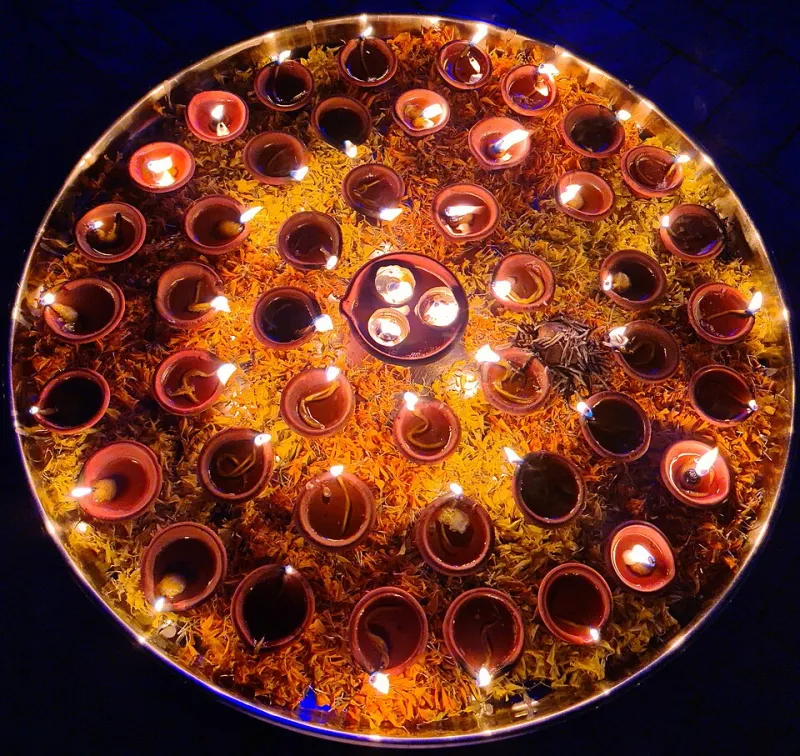
Photo: Fitindia, CC BY-SA 4.0, via Wikimedia Commons
There's a certain pressure that comes with festival season. The decorations have to look amazing. The food has to be right. The whole thing needs to feel authentic and special — and somehow it all needs to happen on a budget that doesn't send you into January with credit card regret. Sound familiar?
Whether you're celebrating Diwali, Sinulog, or honestly both (which, if you're reading IndiaPH Store, is entirely on-brand), here's the truth: both of these festivals are fundamentally about community, light, and gratitude. The most meaningful celebrations aren't the most expensive ones. They're the ones where the food is made from scratch, the decorations have a story, and the people in the room actually want to be there.
Let's break down how to do this right — without breaking the bank.
Know Your Festivals First
A quick orientation for the uninitiated: Diwali is the Hindu festival of lights, celebrated by Indian, Nepali, and diaspora communities worldwide every autumn (typically October or November). It's a five-day event marked by oil lamps (diyas), fireworks, sweets, and the worship of Lakshmi, the goddess of prosperity.
Sinulog is a massive festival held every January in Cebu City, Philippines, honoring the Santo Niño (the Child Jesus). It's one of the biggest street festivals in Southeast Asia, characterized by elaborate costumes, pulsing drumbeats, and a distinctive two-steps-forward, one-step-back dance. In the US, Filipino-American communities in places like San Francisco, Seattle, and Chicago hold their own Sinulog celebrations.
Different vibes, different seasons, but both are deeply rooted in community gathering and joyful expression. That's the spirit worth preserving — not the price tag.
DIY Decorations That Actually Look Good
For Diwali: The diya (oil lamp) is the heart of Diwali decor, and the good news is that plain clay diyas are genuinely inexpensive — often available in packs at Indian grocery stores or through South Asian vendors on IndiaPH Store for just a few dollars. The magic is in the decorating. Grab some acrylic paint, a few metallic markers, and some craft glitter from a dollar store, and you've got a weekend activity that doubles as meaningful family time. YouTube has no shortage of tutorials ranging from beginner-friendly to genuinely impressive.
For rangoli (the colorful floor art made near doorways during Diwali), you don't need to buy a specialty kit. Colored rice, flower petals, and chalk work beautifully. Some families use lentils and spices in contrasting colors — it's traditional, it smells amazing, and it costs almost nothing.
For Sinulog: The festival's visual identity is all about color and movement. Streamers, fabric bunting, and bright flowers are the building blocks. Look for yellow and red — the colors of the Santo Niño's robe — and go bold. Fabric remnants from Filipino textile vendors (the kind of thing you'll find in the Fashion & Culture section here at IndiaPH Store) can be repurposed into beautiful banners. Fresh marigolds, used heavily in both Filipino and Indian celebrations, are typically cheap at farmers markets or Asian grocery stores.
For a Sinulog lechon centerpiece display or altar setup honoring the Santo Niño, secondhand and thrift shops are surprisingly good sources for candle holders, small figurines, and decorative trays.
Budget-Friendly Recipes Worth Making
Diwali sweets on a budget: Skip the pre-packaged mithai boxes (they're expensive and often not as good as homemade). Instead, focus on one or two recipes done really well. Besan ladoo — chickpea flour balls made with ghee, sugar, and cardamom — requires just three main ingredients and looks impressive. Sooji halwa (semolina pudding with saffron and nuts) is another crowd-pleaser that's fast, cheap, and genuinely delicious.
For savory options, mathri (fried crackers spiced with ajwain and black pepper) and namak para are both easy to make in large batches and keep well for days — great for gifting or grazing throughout the celebration.
Sinulog food on a budget: Lechon (whole roasted pig) is the iconic Sinulog centerpiece, but it's also a significant expense. A great budget alternative is lechon kawali — deep-fried pork belly that delivers that crispy skin experience at a fraction of the cost. Serve it with liver sauce made from scratch and you've got something genuinely festive.
Puso (hanging rice cooked in woven coconut leaves) is another Sinulog staple that's affordable and fun to make as a group. Pair it with kare-kare (oxtail peanut stew) or a big pot of pancit (noodles, symbolizing long life) and you have a full table for a crowd without spending a fortune.
Free and Low-Cost Ways to Celebrate Virtually and Locally
If you're not near a large South Asian or Filipino community, don't let that stop you. Both festivals have robust virtual presences:
- Diwali: The Diwali Foundation and numerous Hindu temples across the US livestream puja ceremonies. Many Indian cultural associations in cities like Houston, New Jersey, and Chicago host free public events.
- Sinulog: The official Sinulog Grand Parade in Cebu is livestreamed annually and is absolutely worth watching — it's visually spectacular. Filipino-American community organizations often host watch parties.
Local Eventbrite and Facebook Events searches for your city around these dates will often surface free or low-cost community gatherings. Diaspora communities are incredibly welcoming to curious outsiders — showing up genuinely interested is usually enough.
Sourcing Festival Essentials: Smart Shopping
Here's where it pays to shop intentionally. Mainstream retailers like Target and Amazon carry some festival items, but the markup on things like diyas, incense, puja supplies, and Filipino parol (star lanterns) can be significant, and the quality is often inconsistent.
Shopping through South Asian and Filipino specialty vendors — like those you'll find at IndiaPH Store — tends to mean better prices, more authentic products, and the knowledge that your purchase supports community businesses rather than generic importers. A set of hand-painted clay diyas from an Indian artisan vendor and a hand-woven parol from a Filipino craft supplier aren't just decorations — they're objects with provenance.
Plan ahead when ordering specialty items. Festival seasons bring shipping delays, so ordering three to four weeks early gives you flexibility and often access to better pricing before demand spikes.
The Real Budget Win: Making It a Group Effort
The most cost-effective Diwali or Sinulog celebration is a potluck. Seriously. Assign dishes across families or friends, split decoration costs, and suddenly a gathering that might have cost one household $300 costs everyone $30. This is, incidentally, exactly how both of these festivals have traditionally been celebrated in their home countries — as community events, not solo productions.
The goal isn't a Pinterest-perfect setup. It's the smell of cardamom in the kitchen, the glow of a hundred little flames, the sound of a Sinulog drumbeat through a Bluetooth speaker, and people you love around a table full of food someone made with their hands. That part? Completely free.