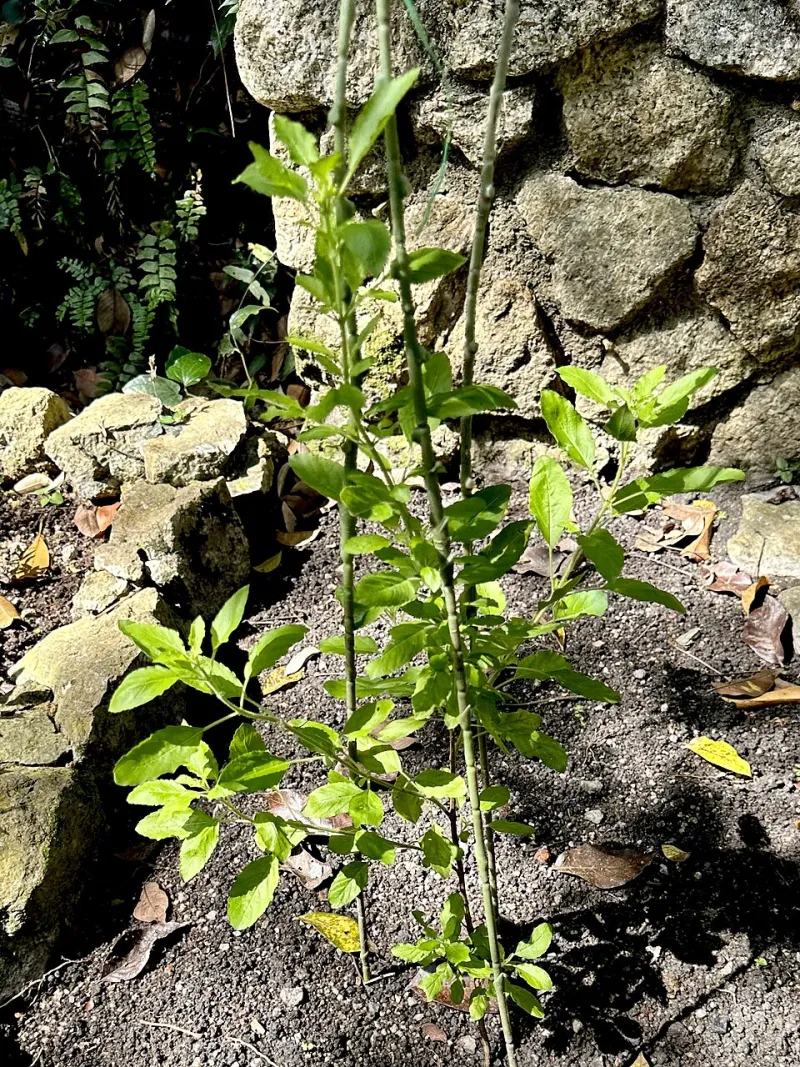
Turmeric, Tawa-Tawa, and the New American Medicine Cabinet
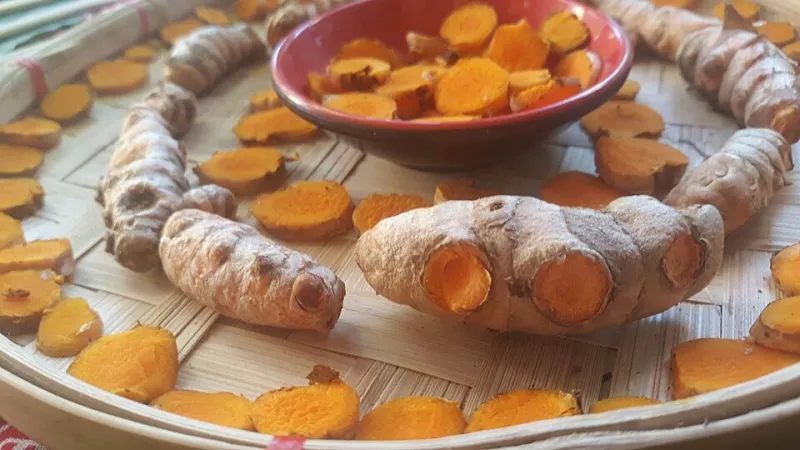
Photo: Elmer Centeno Guevarra, CC BY-SA 4.0, via Wikimedia Commons
Walk into any Whole Foods or browse your wellness TikTok feed long enough and you'll notice something interesting: the ingredients your Indian or Filipino grandma swore by are suddenly everywhere. Turmeric lattes. Ashwagandha gummies. Coconut oil pulling. What American wellness culture is just now "discovering" has been sitting in South Asian and Southeast Asian kitchens for generations.
At IndiaPH Store, we sit right at the crossroads of these two rich traditions — and honestly, the overlap in healing wisdom between India and the Philippines is kind of remarkable. Both cultures developed sophisticated, plant-based approaches to everyday health long before the modern pharmacy existed. Here's a closer look at what's worth knowing, what the science actually says, and how you can start incorporating these remedies into your daily routine.
Turmeric: The Golden Standard
Let's start with the big one. Turmeric — called haldi in Hindi and luyang dilaw in Filipino — is probably the most talked-about ingredient in both traditions, and for good reason. The active compound, curcumin, has been studied extensively for its anti-inflammatory and antioxidant properties. Research published in journals like Nutrients and Frontiers in Pharmacology suggests it may help with joint pain, digestive issues, and even mood regulation.
In Indian households, haldi doodh (golden milk) is the go-to for everything from a sore throat to post-workout soreness. Filipino families use turmeric root similarly — often brewed into a tea with ginger and honey. The difference? Indian recipes tend to add black pepper (which boosts curcumin absorption significantly), while Filipino versions often lean into the citrus notes of calamansi.
If you're sourcing turmeric for these recipes, quality matters. The stuff in standard grocery store spice aisles can be old, low-potency, or even adulterated. Fresh turmeric root or high-quality ground turmeric from trusted South Asian or Filipino suppliers makes a real difference in both flavor and effectiveness.
Ginger and Galangal: The Digestive Duo
Both Indian Ayurvedic medicine and Philippine traditional healing (albularyo practices) have long relied on ginger for nausea, bloating, and digestive discomfort. Modern research backs this up pretty solidly — ginger is one of the better-studied natural remedies, with clinical evidence supporting its use for nausea related to pregnancy, chemotherapy, and motion sickness.
The Philippines adds an interesting twist with galangal (langkawas), a ginger cousin with a sharper, more citrusy flavor. It shows up in Filipino soups and herbal teas and is believed to aid digestion and reduce inflammation. Indian cooking uses galangal too, particularly in certain regional spice blends from the south. These aren't just cooking ingredients — they're functional foods that have been doing double duty for centuries.
Hilot: The Filipino Healing Art Americans Are Starting to Notice
Not everything in traditional wellness comes in a jar. Hilot is a Filipino healing practice that combines massage, energy work, and the use of herbal oils — think of it as the Philippines' answer to Ayurvedic bodywork. Traditionally performed by a manghihilot (a skilled healer), it's used to relieve muscle tension, improve circulation, and even address sprains.
In the US, Filipino-American communities in cities like Los Angeles, Chicago, and the Bay Area have kept hilot alive, with some practitioners now offering sessions to broader clientele. It's worth noting that hilot varies significantly by region and practitioner — if you're seeking it out, look for someone with genuine training and community roots rather than a spa that's just borrowed the name.
Coconut oil, often infused with herbs like lagundi (Philippine oregano) or eucalyptus, is a common medium used in hilot massage. These infused oils are increasingly available through specialty Filipino grocers and online marketplaces — including right here at IndiaPH Store.
Ashwagandha and Moringa: The Adaptogen Overlap
One of the coolest things about Indian and Filipino wellness traditions is how they independently arrived at similar solutions. Ashwagandha (Withania somnifera) is a cornerstone of Ayurvedic medicine, prized as an adaptogen — a substance that helps the body manage stress. Clinical studies have shown it can meaningfully reduce cortisol levels and improve sleep quality in adults.
The Philippines has its own stress-busting superfood: moringa (malunggay). Every part of the moringa tree is used — leaves, pods, even the seeds. It's extraordinarily nutrient-dense, containing significant amounts of vitamins A, C, and E, calcium, potassium, and protein. Filipino grandmothers have been adding malunggay leaves to soups and stews for generations, and now you'll find moringa powder in American smoothie bars charging $4 a scoop for it.
Both of these can be sourced in authentic, food-grade forms rather than the heavily processed supplement versions. Loose ashwagandha root powder from Indian grocers and fresh or dried moringa leaves from Filipino suppliers give you the real thing at a fraction of the wellness store markup.
Herbal Teas: The Daily Ritual
Perhaps the most accessible entry point into both traditions is herbal tea. Indian kadha — a warming brew of tulsi (holy basil), ginger, cloves, and black pepper — became something of a household staple during the COVID-19 pandemic, even in American South Asian communities. Tulsi alone has a growing body of research supporting its adaptogenic, antimicrobial, and anti-stress properties.
On the Filipino side, salabat (ginger tea) is the classic cold and flu remedy, often sweetened with raw honey. Sambong tea, made from the leaves of the Blumea balsamifera plant, has been officially recognized by the Philippine Department of Health as a traditional medicine for kidney health and respiratory issues.
Building a small herbal tea pantry using ingredients from both traditions is genuinely one of the easiest, most affordable ways to bring these wellness practices into your everyday life.
Teaching the Next Generation
For diaspora families across the US, there's a real sense of urgency around passing these practices down. Many first-generation immigrants watched their parents use these remedies instinctively, without necessarily documenting or explaining them. Now, second and third-generation Indian-Americans and Filipino-Americans are actively seeking to reclaim that knowledge — through community cooking classes, social media pages run by traditional healers, and yes, through sourcing authentic ingredients that make these practices possible.
At IndiaPH Store, that's exactly the kind of connection we're here to support. Whether you're a diaspora family looking for the real haldi your mom used or a wellness-curious American who wants to go beyond the trendy supplement aisle, getting access to quality, authentic ingredients is the first step. The wisdom is already out there — it just needs the right pantry to back it up.