From Hilot to Haldi: How Two Ancient Healing Cultures Are Reshaping American Wellness
Photo: Ayurvedic herbs turmeric moringa Filipino herbal remedies wellness ingredients, via down-ph.img.susercontent.com
Walk into any Whole Foods in a major American city and you'll find turmeric lattes next to ashwagandha gummies next to moringa powder. Scroll through wellness content on Instagram and you'll encounter breathwork rooted in pranayama, oil massage techniques borrowed from Ayurveda, and herbal preparations that wouldn't look out of place in a traditional Filipino kitchen. The American wellness industry — worth well over $1.5 trillion globally — has a long history of borrowing from other cultures. But something is shifting in how that borrowing happens, and who profits from it.
For immigrant entrepreneurs from India and the Philippines, that shift represents both an opportunity and a responsibility. The healing traditions of their home cultures are genuinely powerful, genuinely interesting, and genuinely in demand. The question is how to bring them into American markets in ways that are honest, respectful, and sustainable — for the practitioners, the communities, and the consumers.
What These Traditions Actually Are
Let's start with a quick grounding, because both of these healing systems deserve more than a thumbnail description.
Ayurveda is a comprehensive system of medicine that originated in India over 3,000 years ago. It's not just about herbs and supplements — it's a whole philosophy of health that considers diet, lifestyle, sleep, mental state, and individual constitution (what practitioners call your "dosha") as interconnected. When Americans encounter Ayurveda, they usually meet it through its most accessible entry points: turmeric as an anti-inflammatory, ghee as a cooking fat, oil-pulling as an oral health practice, or abhyanga (self-massage with warm oil) as a stress-reduction ritual. These are real practices with real roots, but they're also just the surface layer of something much deeper.
Hilot is a traditional Filipino healing practice that's harder to categorize in Western terms. At its core, it's a form of therapeutic massage — but describing it that way is a bit like describing acupuncture as "poking people with needles." Hilot practitioners (called "manghihilot") use their hands to detect imbalances in the body, working with soft tissue, joints, and what the tradition describes as a life energy called "init" or "lamig" (heat and cold). Hilot also encompasses herbal medicine, midwifery, and spiritual elements that vary by region across the Philippines. It's a living tradition, still practiced in communities across the country and increasingly being studied by Filipino medical institutions.
The Ingredient Overlap
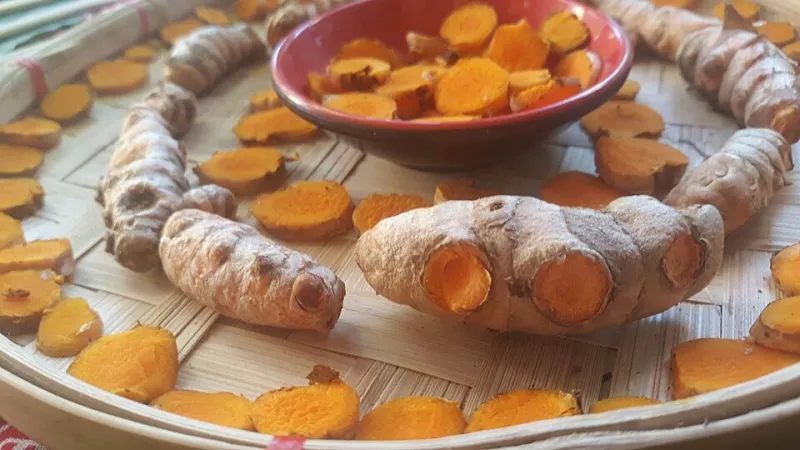
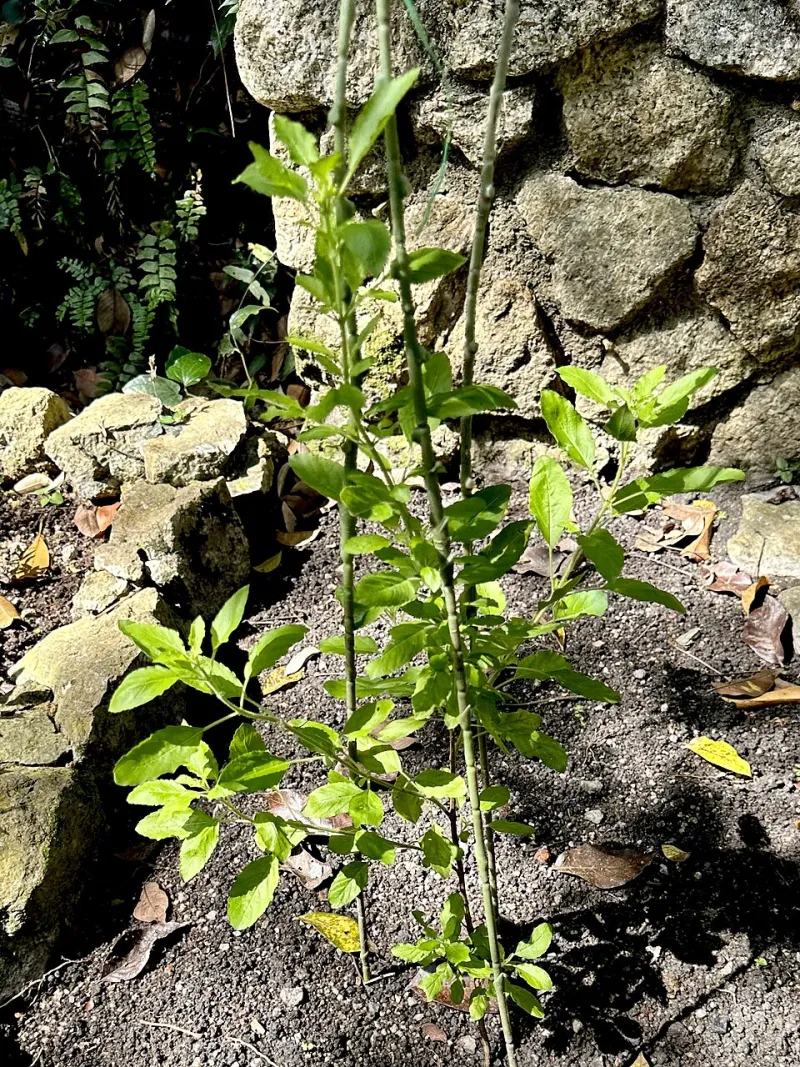
One of the most interesting things about Indian and Filipino healing traditions is how much overlap exists in their herbal pharmacopoeias. Ginger, turmeric, garlic, and coconut oil appear in both systems as foundational healing ingredients. Moringa — called "malunggay" in the Philippines and "sahjan" in parts of India — is revered in both cultures as a nutritional powerhouse. Bitter melon ("ampalaya" in Filipino, "karela" in Hindi) is used in both traditions to support blood sugar regulation.
For American consumers, this overlap is actually a helpful entry point. These aren't exotic ingredients that require a special trip to an import store — they're increasingly available at mainstream grocery chains, and the growing diaspora populations in cities like Los Angeles, New York, Chicago, and Houston have made Indian and Filipino grocery stores more accessible than ever. The wellness applications of these ingredients aren't folk magic, either. Many of them have solid bodies of research behind them. Curcumin (the active compound in turmeric) has been studied extensively for its anti-inflammatory properties. Ashwagandha has multiple clinical trials supporting its effects on stress and cortisol. Moringa's nutritional density is well-documented.
The Business Opportunity — and the Complications
For immigrant entrepreneurs, the wellness boom has created real business opportunities. Filipino-American practitioners are bringing hilot to American spa and wellness markets, often positioning it alongside other Asian bodywork modalities like Thai massage or shiatsu. Indian-American practitioners and entrepreneurs have built significant businesses around Ayurvedic products, consultations, and retreats — from small-batch herbal supplement brands to full-service wellness centers.
But there's a conversation that has to happen here, and the wellness industry hasn't always been great at having it honestly. Cultural appropriation in wellness is a genuine issue. When a large American brand takes turmeric, strips it of its Ayurvedic context, slaps a trendy label on it, and sells it at a 400% markup without any connection to Indian suppliers or communities — that's a problem. When a non-Filipino spa adds "hilot-inspired massage" to its menu without training from actual hilot practitioners or any acknowledgment of the tradition — that's also a problem.
The good news is that conscious consumers are getting better at asking these questions. And the immigrant entrepreneurs who are building businesses around these traditions are often the best advocates for doing it right. Many of them are explicit about the sourcing of their ingredients, the training of their practitioners, and the communities that their practices come from. That transparency isn't just ethically important — it's also a genuine competitive advantage in a market where consumers are increasingly skeptical of wellness brands that can't back up their claims.
Making It Accessible Without Making It Shallow
One of the tensions in bringing traditional healing practices to mainstream American markets is the pressure to simplify. Ayurveda is a complex system that ideally involves personalized consultation — but most Americans encounter it as a list of general tips. Hilot involves years of training and a deeply embodied knowledge of the human body — but it's sometimes marketed as just another massage style.
The best practitioners and entrepreneurs navigate this by being honest about what they're offering. A turmeric supplement can be a genuinely useful product without claiming to deliver the full benefits of an Ayurvedic consultation. A hilot-trained massage therapist can offer real therapeutic value to American clients while being clear that what they're doing is rooted in a specific tradition with a specific history. The goal isn't to dumb things down — it's to meet people where they are and invite them into something deeper if they're interested.
Where to Start
If you're curious about incorporating Indian or Filipino healing traditions into your wellness routine, the best starting point is usually the kitchen. Cooking with turmeric, ginger, moringa, and bitter melon is a low-stakes way to experience the everyday wellness philosophy of both cultures. From there, exploring Ayurvedic self-care practices — oil massage, tongue scraping, mindful eating — doesn't require any special equipment or training, just some curiosity and consistency.
For those interested in hilot or more comprehensive Ayurvedic support, seeking out practitioners from within the Indian or Filipino communities is worth the extra effort. You'll get a more authentic experience, and you'll be supporting the people who are the rightful stewards of these traditions.
The wellness revolution that's quietly reshaping American health culture isn't new. It's ancient. And it's finally getting the platform it deserves.