Handmade and Unapologetically Premium: Why Indian and Filipino Artisans Are America's New Luxury
There's a particular kind of satisfaction that comes from holding something made by a person, not a machine. You can feel it in the slight irregularity of a hand-thrown ceramic bowl, the warmth of naturally dyed fabric, the weight of a silver ring shaped by someone who learned the craft from their grandmother. That feeling? It turns out a lot of American shoppers are actively chasing it — and they're finding it in places that mass-market luxury brands simply can't compete with.
India and the Philippines have always had rich craft traditions. But for a long time, those traditions were either kept within diaspora communities or sold at modest price points that didn't reflect the actual skill and time involved. That's changing fast. A new generation of artisans — many of them working with immigrant entrepreneurs and diaspora-run platforms like IndiaPH Store — is repositioning handmade goods from South Asia and Southeast Asia as genuine luxury alternatives. Not cheap imports. Not novelty gifts. Real, considered craftsmanship with a story worth paying for.
What "Luxury" Actually Means Now
Let's be honest: the traditional luxury market has a trust problem. Consumers are increasingly skeptical of heritage brands that outsource production, slap on a logo, and charge four figures for a handbag made in a factory. A 2023 survey by Edelman found that over 60% of American consumers under 45 say they'd rather spend money on products with a clear ethical backstory than on status-symbol brands. That's a massive opening — and Indian and Filipino artisans are walking right through it.
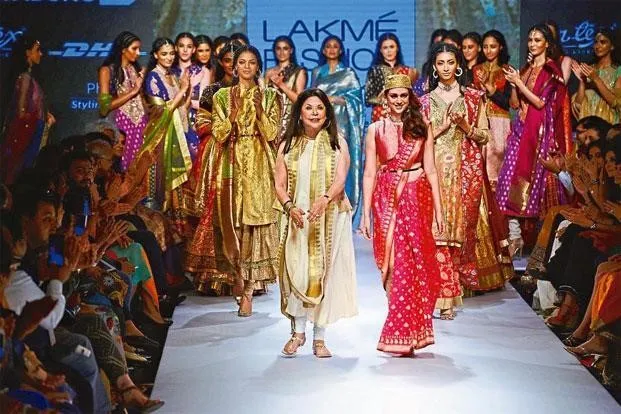
The shift isn't just about ethics, either. It's about aesthetics. American interior design trends have moved hard toward what stylists are calling "global maximalism" — layered textiles, mixed metals, handwoven accents, and statement pieces that look like they were collected over a lifetime of travel rather than ordered from a catalog. Indian block-printed linens, Filipino rattan furniture, hand-embroidered Kashmiri shawls, Maranao brasswork — these aren't just culturally interesting. They're genuinely beautiful in a way that fits right into how aspirational American homes look right now.
The Makers Behind the Movement
Take jewelry, for example. Kundan and Meenakari jewelry from Rajasthan has been a staple of Indian weddings for centuries, but makers like those working with artisan cooperatives in Jaipur are now creating scaled-down, everyday versions that appeal to American buyers who want something distinctive without the formal occasion. The work is painstaking — each piece involves multiple craftspeople, from the gem-setters to the enamel painters — and pricing reflects that reality. Pieces that might have sold for $40 at a cultural fair are now marketed at $180 to $350, with detailed descriptions of the process and the people behind them. And they're selling.
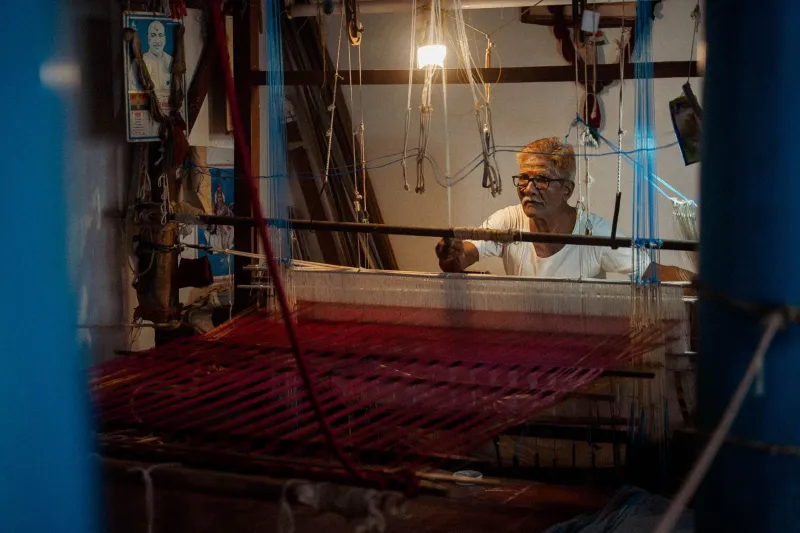
In the Philippines, the tradition of handwoven textiles is equally storied. Inabel fabric from the Ilocos region, T'nalak cloth from the T'boli people of Mindanao — these are not decorative novelties. They're the products of generational knowledge, often woven by women who learned the craft as children. Filipino-American entrepreneurs have started bringing these textiles to American consumers as premium home goods: table runners, throw pillows, wall hangings. The price points are higher than anything you'd find at a big-box store, and the story behind each piece is part of what you're buying.
Sustainability as a Selling Point — and a Real Commitment
One thing that connects Indian and Filipino craft traditions is a built-in sustainability story that doesn't require any greenwashing. Natural dyes made from indigo, turmeric, and tannin. Rattan and bamboo harvested from managed forests. Recycled brass and silver worked in small family workshops with minimal waste. These practices predate the sustainability trend by hundreds of years — they're just the way things have always been done.
For American consumers who are increasingly wary of "eco-friendly" marketing that doesn't hold up to scrutiny, this kind of embedded sustainability is compelling. It's not a marketing angle bolted onto the product after the fact. It's just... how it's made. Platforms that connect buyers directly to artisans — cutting out the layers of middlemen that traditionally ate into both margins and storytelling — make it easier for that authenticity to come through.
The Diaspora Connection
Here's something worth understanding about the Indian and Filipino diaspora communities in the US: they're large, educated, and economically powerful. The Indian-American community alone represents one of the highest median household incomes of any ethnic group in the country. Filipino-Americans are the second-largest Asian-American group in the US. Both communities have deep emotional connections to the crafts and aesthetics of their home cultures — and increasingly, they have the purchasing power to express those connections through premium goods.
But the audience for these products isn't limited to diaspora buyers. The broader American market for "artisan" and "globally sourced" goods has grown enormously, fueled by platforms that make discovery easier and by a general cultural shift toward meaningful consumption. A non-Indian shopper who falls in love with a hand-block-printed duvet cover isn't appropriating anything — they're participating in a market that supports the craftspeople who made it.
What to Look For When You Shop
If you're new to shopping for premium handcrafted goods from India or the Philippines, a few things are worth keeping in mind. First, transparency matters. Good sellers will tell you who made the piece, where, and using what techniques. If that information isn't available, that's a red flag. Second, price is actually a signal of quality here — if a hand-embroidered silk piece is priced the same as something mass-produced, something's off. Third, don't be afraid to ask questions. The best artisan-focused platforms are run by people who genuinely love this stuff and are happy to geek out about the difference between Chikankari and Zardozi embroidery, or explain why T'nalak takes months to weave.
The luxury market is getting a long-overdue recalibration. And the people leading that shift — working out of workshops in Jaipur, Cebu, Manila, and Chennai — have been doing this work for generations. They just finally have the platforms and the audience they deserve.