Heritage as a Hustle: How Indian and Filipino Founders Are Rewriting the American Dream
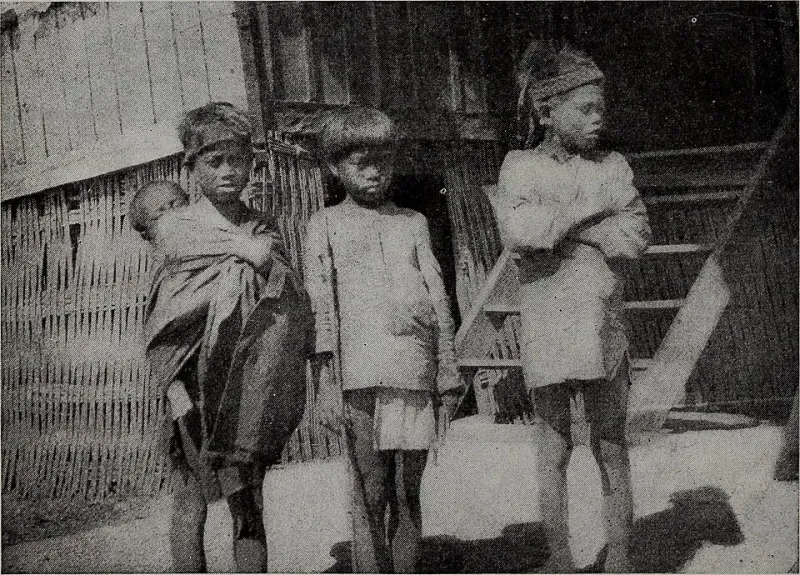
Photo: Internet Archive Book Images, No restrictions, via Wikimedia Commons
There's a new kind of American entrepreneur walking into pitch meetings these days. She might open with a reference to her lola's sari-sari store in Cebu, or talk about growing up watching her dad haggle at a spice market in Chennai. She's not offering an apology for where she came from — she's offering it as her competitive advantage.
Across the United States, a generation of Indian and Filipino founders is quietly reshaping what small business looks like. They're not waiting for permission from traditional venture capital gatekeepers. And honestly? They don't need it.
The Cultural Edge Nobody Saw Coming
For decades, immigrant entrepreneurs were told — sometimes explicitly, sometimes through the silence of overlooked grant applications — to sand down the edges of their cultural identity. Blend in. Universalize. Make it palatable for the mainstream.
That playbook is being shredded.
Second-generation founders, in particular, are discovering that growing up between two worlds isn't a liability — it's a masterclass in adaptability. Take Priya Nair, a Houston-based founder who launched a boutique hospitality concept blending South Indian design sensibility with Filipino bayanihan — the deeply communal spirit of working together — as a core operational philosophy. Her boutique events company, which she started out of her apartment in 2019, now handles corporate retreats and cultural celebrations for clients across Texas.
"I grew up eating dosas on Sunday mornings and pancit on Christmas Eve," she says. "That's not a weird background — that's a superpower when your clients want something that actually feels human."
Small Business, Big Vision
What's striking about this generation of Indian-Filipino entrepreneurs isn't just the cultural fusion they bring to their products and services — it's the business philosophy underneath it all.
In cities like Chicago, Los Angeles, and the DC metro area, diaspora-owned businesses are increasingly operating on a community-first model that feels more like a cooperative than a corporation. Referrals flow between Indian and Filipino-owned vendors. Pop-up markets double as networking events. Supply chains are built around trust rather than just price.
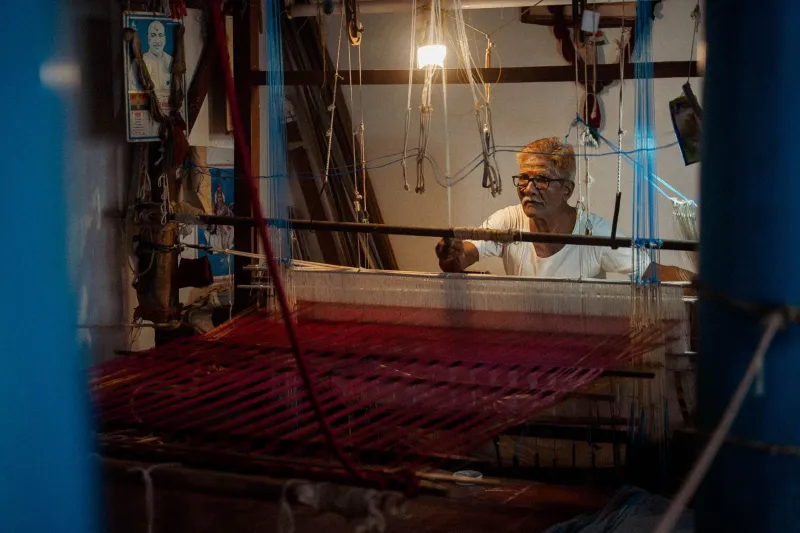
Raj Villanueva — yes, that's his real name, and yes, he hears about it constantly — runs a niche textile import business out of New Jersey that sources handwoven fabrics from both Tamil Nadu and the Visayas region of the Philippines. He sells to independent fashion designers, costume departments, and a growing number of home décor brands that are hungry for materials with an actual story behind them.
"American consumers are done with generic," Raj says. "They want to know who made something and why it matters. I can tell them exactly which weavers made their fabric and what village it came from. That's not marketing — that's just the truth."
Challenging the VC Gatekeepers
Traditional venture capital has never been particularly kind to businesses that don't fit a familiar template. Diaspora-owned companies, especially those rooted in cultural specificity, have historically struggled to get a seat at the table.
But the landscape is shifting. Community Development Financial Institutions (CDFIs), diaspora-focused accelerators, and the rise of crowdfunding have opened new paths to capital. Organizations like the Philippine-American Chamber of Commerce and various South Asian business councils are increasingly functioning as informal incubators — connecting founders with mentors, suppliers, and early customers.
For many of these entrepreneurs, the first investor wasn't a VC firm. It was the community itself.
Maya Santos, who co-founded a Filipino-Indian fusion skincare line with her college roommate Deepa Krishnan in Austin, funded their first production run through a combination of pre-orders from their respective family networks and a small grant from a women-of-color business fund. They've since expanded to three regional retailers and built a loyal online following.
"We didn't need someone in Palo Alto to believe in us first," Deepa says. "Our aunties believed in us. That was enough to get started."
The Storefront as Cultural Statement
Walk into a diaspora-owned business that's leaning into its dual identity, and you'll notice the physical space tells a story. It might be the arrangement of products — organized not by category but by occasion, the way a Filipino tiangge market or an Indian bazaar would be. It might be the music, or the way the owner greets you, or the handwritten notes on the shelves explaining where something came from.
This isn't aesthetic theater. It's a genuine expression of how these founders understand commerce — as something relational, not transactional.
At IndiaPH Store, we see this philosophy everywhere we look. The businesses that resonate most with our community aren't the ones chasing trends. They're the ones rooted in something real — in the knowledge that a spice blend or a woven bag or a handcrafted piece of jewelry carries history in it, and that history has value.
What's Next
The next wave of Indian-Filipino entrepreneurship in America is going to be harder to categorize — and that's exactly the point. It'll show up in tech products designed with collectivist values baked in. In restaurants that refuse to choose between biryani and adobo. In consulting firms that bring a fundamentally different worldview to problems that Western business culture has been solving the same way for decades.
The spice route didn't end at the port. It kept going, wound its way through immigrant neighborhoods and family kitchens and college dorm rooms, and it's emerging now as something new — distinctly American, and unmistakably itself.