Side by Side: The Untold Story of Indian and Filipino Immigrants Who Built America Together
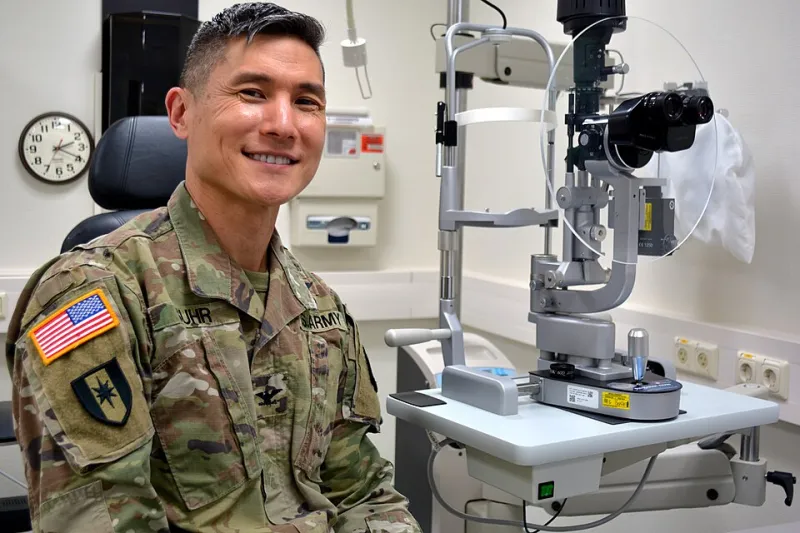
Photo: U.S. Army RHCE by Russell Toof, Public domain, via Wikimedia Commons
Most Americans know immigration history in neat, separate chapters. The Chinese railroad workers. The Irish fleeing famine. The Italian neighborhoods of New York. But tucked into the margins of the 20th century is a story that rarely gets its own chapter: the deeply intertwined journeys of Indian and Filipino immigrants who arrived on American shores decades apart—and found themselves facing the same walls, fighting the same fights, and sometimes, leaning on each other to get through.
At IndiaPH Store, we exist because these two cultures have more in common than most people realize. And that connection didn't start with e-commerce. It started with struggle.
The Early Arrivals: Sikhs, Sakadas, and the Fields of California
In the early 1900s, South Asian immigrants—predominantly Punjabi Sikh men—began arriving on the West Coast of the United States, drawn by agricultural work in California's Central Valley. Around the same time, Filipino laborers, known as Sakadas, were being recruited to work the sugar plantations of Hawaii and the farms of California and Washington state. Both groups arrived as brown-skinned, non-white men in a country that had very specific ideas about who belonged.
The 1917 Immigration Act and the 1924 Asian Exclusion Act didn't distinguish much between them. To the legal machinery of early 20th-century America, South Asians and Southeast Asians occupied similar categories of otherness. They were barred from owning land in California under the Alien Land Laws. They couldn't become naturalized citizens. They were, in the blunt language of the era, classified as undesirable.
What's remarkable is what happened next.
Shared Neighborhoods, Shared Resistance
In the agricultural towns of California's Central Valley—Stockton, Fresno, Sacramento—Punjabi and Filipino workers often lived in the same boarding houses and worked the same fields. Historians have documented how these communities socialized together, shared meals, and occasionally organized together in early labor actions.
Stockton, California became a particularly notable meeting point. The city had both a sizable Punjabi Sikh community and one of the largest Filipino populations in the continental United States during the 1920s and 1930s. Filipino community halls sometimes hosted multiethnic gatherings. Punjabi men, many of whom couldn't bring wives from India due to immigration restrictions, sometimes married Mexican-American women—creating the fascinating Punjabi-Mexican families that historians have only recently begun to study seriously. Filipino men faced similar social restrictions and formed their own hybrid community ties.
These weren't formal alliances sealed with handshakes. They were the quieter, more durable kind—forged over shared meals, shared frustrations, and the simple human need to be understood by someone who gets it.
The Civil Rights Era and a New Generation
By the 1960s, the landscape had shifted. The Immigration and Nationality Act of 1965 fundamentally changed who could come to America, opening doors for educated professionals from India and the Philippines in particular. Suddenly, Indian doctors, engineers, and academics were arriving in American cities. Filipino nurses, teachers, and healthcare workers were filling critical gaps in the American workforce.
Both waves landed in a country mid-transformation. The Civil Rights Movement had cracked open conversations about race, belonging, and identity that these new arrivals couldn't help but navigate. Indian and Filipino professionals often ended up in the same suburban neighborhoods, the same university towns, the same hospital break rooms.
And yet, their histories were rarely taught together. Indian-American studies and Filipino-American studies developed largely as separate academic fields. Community organizations served their own. The shared history got filed away.
What Modern Diaspora Communities Are Rediscovering
Today, something interesting is happening in cities like Los Angeles, Chicago, Houston, and the Bay Area. Second and third-generation Indian-Americans and Filipino-Americans are finding each other—in universities, in tech companies, in creative industries, and yes, in the comments section of diaspora food accounts.
They're discovering that their immigrant parents' experiences rhyme in ways that feel almost eerie. The aunties who sent money home every month. The pressure to become doctors or engineers. The particular loneliness of being the only brown kid in a mostly white classroom. The way food became the primary language of cultural survival.
There's also a growing scholarly interest in what researchers call South Asian–Southeast Asian solidarity—the idea that these communities have more political and cultural common ground than their separate institutional histories suggest. Organizations like the Asian American Studies programs at UC Berkeley and UCLA are increasingly teaching their histories in conversation with each other rather than in isolation.
Why This History Matters Right Now
Understanding this shared past isn't just an academic exercise. It's actually useful for navigating the present.
When Indian and Filipino families find themselves at the same school board meetings, the same neighborhood associations, the same cultural festivals, they're not starting from zero. They're resuming a conversation that began in the fields of California a century ago. That context matters. It builds faster trust, deeper coalition, and a richer sense of what it means to be Asian American in the 21st century.
For us at IndiaPH Store, this history is the whole point. We're not just connecting two product catalogs. We're connecting two communities whose stories have been running parallel for over a hundred years—and who are finally starting to read each other's chapters.
The next time you pick up a piece of Indian block-print fabric or a hand-woven Filipino piña textile, know that the people who made them carry histories that cross oceans and, sometimes, the same stretch of California farmland. That's not a small thing. That's everything.
Explore Both Worlds
At IndiaPH Store, we celebrate the cultural richness that both communities bring to American life—through the crafts, textiles, and traditions that immigrants carried with them and never let go. Browse our Fashion & Culture collection to find pieces that honor both heritages.