New Roots, New Cities: How Indian and Filipino Americans Are Quietly Transforming America's Overlooked Metros
For decades, the script was pretty much written. You landed at JFK or SFO, you found your cousin's couch in Queens or a studio in Fremont, and you figured it out from there. The Indian and Filipino American story was largely a coastal one — anchored in California, New Jersey, Illinois, and the boroughs of New York City.
That script is getting rewritten in real time.
Driven by skyrocketing rents, remote work flexibility, and the simple desire for a little more breathing room, a significant wave of Indian and Filipino Americans is heading somewhere unexpected: middle America, the New South, and mid-size metros that most people couldn't find on a map ten years ago. And when they arrive, they don't just assimilate quietly. They build.
Why People Are Leaving the Coasts (And Not Looking Back)
The math got brutal. A two-bedroom apartment in San Jose or Jersey City that cost $2,200 a month in 2015 now runs closer to $3,800. For families trying to stretch remittances back to Chennai or Cebu while also saving for a down payment, the coastal dream started feeling less like opportunity and more like a treadmill.
Austin, Atlanta, Raleigh, Columbus, Charlotte, and even smaller markets like Boise and Omaha started showing up in conversations at temple potlucks and bayanihan gatherings. Friends who moved to the Midwest for a tech job and stuck around because the schools were great and the mortgage was manageable. Cousins who relocated to Georgia for the weather and found a thriving Filipino community they didn't know existed.
That word-of-mouth network — deeply embedded in both Indian and Filipino culture — became its own migration engine. Once one family moved and reported back that yes, there's a decent Indian grocery forty minutes away and a Filipino bakery that just opened downtown, others followed.
What They're Building When They Get There
Here's what makes this migration different from earlier waves: these communities aren't waiting for infrastructure to appear. They're creating it.
In cities like Columbus, Ohio, Indian and Filipino entrepreneurs have opened restaurants and grocery stores that serve both communities simultaneously — stocking atta flour and banana leaves on the same shelf, running lunch specials that might feature chicken curry one day and adobo the next. It sounds small, but it's actually a quiet revolution in how diaspora retail works.
In the Atlanta metro, South Asian temples and Filipino Catholic parishes have started sharing parking lots and community hall schedules. Not out of necessity exactly, but because the communities are small enough that collaboration just makes sense — and because they've discovered, often to their own surprise, how much they have in common.
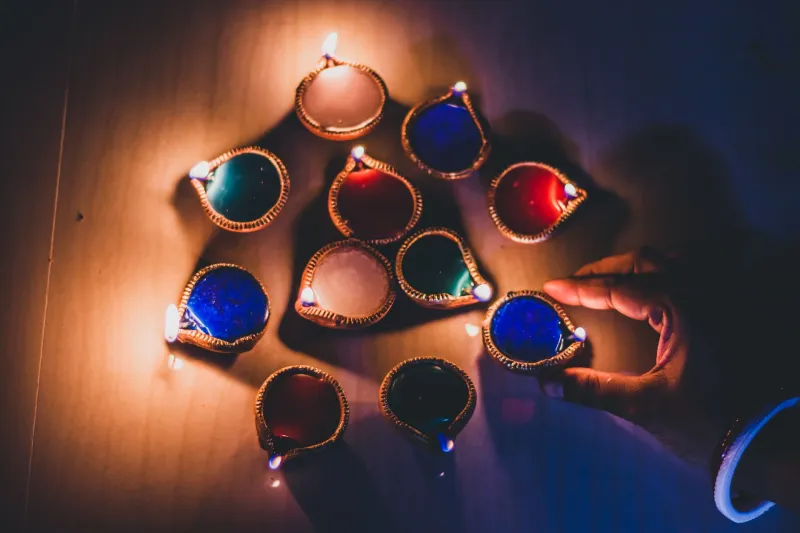
Weekend markets in places like Austin's East Side or Raleigh's Five Points neighborhood now regularly feature Indian and Filipino vendors side by side: handwoven textiles from Jaipur next to hand-embroidered piña fabric from Pampanga, homemade mango pickle next to ube jam, brass diyas next to capiz shell lanterns. Shoppers who've never set foot in Mumbai or Manila are discovering these goods for the first time — and coming back.
The Cultural Ecosystem Question
One thing that comes up constantly when you talk to people who've made this move is the anxiety about what you're giving up culturally. Will my kids grow up knowing Diwali? Will they ever taste real sinigang made by someone who actually grew up eating it? Will they think of themselves as Indian or Filipino, or just... American in the most generic sense?
Those fears are real. But the communities that have put down roots in secondary cities have found creative answers. Language classes run out of community centers and living rooms. WhatsApp groups organize group orders for specialty ingredients that get shipped in bulk from Indian and Filipino grocers in bigger cities — or increasingly, from online marketplaces that specialize in exactly this kind of thing. Cultural identity gets maintained not because the infrastructure was already there, but because people decided it was worth building from scratch.
There's something almost defiant about it. Like, yes, we moved to Kansas City, and no, you cannot tell us our kids won't grow up knowing how to make dal or pancit. Watch us.
The Economic Ripple Effect
These migrations aren't just cultural stories — they're economic ones too. Indian and Filipino Americans who relocate to smaller metros often arrive with professional skills, savings, and entrepreneurial instincts that make an immediate mark on local economies.
Small business formation rates in cities that have seen significant South Asian and Southeast Asian in-migration over the past decade have ticked noticeably upward. Grocery stores, restaurants, tutoring centers, IT consulting firms, medical practices, beauty supply shops — these businesses create jobs, generate tax revenue, and often anchor entire commercial corridors that were previously struggling.
Local governments in places like Columbus and Raleigh have quietly started paying attention, recognizing that these communities bring stability and investment. Some cities have even begun active outreach to diaspora networks, pitching quality of life and affordability in ways that would have seemed unusual ten years ago.
What It Looks Like From the Inside
If you've ever attended a potluck in a suburb of Nashville or a Fiesta celebration in a church hall outside of Denver, you know there's something electric about a diaspora community that's still in the process of figuring itself out. The food is incredible — partly because everyone is cooking to prove a point, and partly because when you're far from home, you put your whole heart into the dish that connects you to it.
The conversations are layered. People swap notes on which Indian grocery in town actually carries fresh curry leaves. Someone knows a Filipino butcher who can source the right cut for lechon. A group of aunties is organizing a joint Diwali-Paskó celebration because why not, the kids are friends and both holidays fall close together anyway.
It's improvised and imperfect and completely alive.
The Long Game
The coastal enclaves aren't going anywhere. Fremont will still be Fremont. Jackson Heights will still be Jackson Heights. But the Indian and Filipino American story is no longer just a story about those places.
It's also a story about a family in Columbus who turned their garage into a weekend Filipino grocery and now ships homemade vinegar across three states. It's about a temple in suburban Charlotte that hosts yoga, Tagalog classes, and a monthly craft market all under one roof. It's about people who looked at an affordable house in an overlooked city and saw not a compromise, but a canvas.
America has always been remade by people who showed up and decided to build something. The current wave of Indian and Filipino Americans settling into unexpected zip codes is just the latest chapter in that very old story — and honestly, it might be one of the most interesting ones yet.